Vietnam News


Thanh Hoa allocates $27 bln for infrastructure to drive investment attraction
Despite the numerous challenges of the 2021–2025 period, Thanh Hoa province in central Vietnam successfully mobilized over VND700.1 trillion (nearly $27 billion) in total social investment for infrastructure development.
This massive capital injection has not only resulted in tangible projects but has also laid a critical foundation for the province to maintain high socio-economic growth, gradually cementing its status among Vietnam’s leading localities.
Transportation has been identified as the key pillar of Thanh Hoa’s development strategy. The North-South Expressway sections passing through the province serve as a "backbone," connecting the region with major economic hubs, shortening travel times, reducing logistics costs, and facilitating seamless trade.
Alongside the expressway, a series of other vital transport routes have been developed synchronously. These include the route connecting the provincial center to Tho Xuan Airport, key axes from the Thieu Giang intersection to National Highway 45 and National Highway 1, and the Van Thien – Ben En road. These routes do more than just facilitate public travel; they expand development space and enhance connectivity between the province’s various economic regions and driving forces.
Maritime and aviation infrastructure have also seen significant advancements. Nghi Son Port now operates 35 berths with an annual cargo throughput of approximately 46 million tons, asserting its role as a crucial trade gateway for the North Central region.
Meanwhile, Tho Xuan Airport maintains a steady volume of over 1.3 million passengers per year. The airport is continuously expanding its flight network and upgrading its facilities, aiming to become an international airport by 2030. This increasingly integrated transport system has boosted the province’s overall competitiveness, providing a powerful push for the development of industry, services, and logistics.
In parallel with transportation, the infrastructure of economic zones (EZs) and industrial zones (IZs) continues to be a highlight in investment attraction.
To date, the Nghi Son Economic Zone and other industrial zones across the province have secured 179 projects. This includes 41 Foreign Direct Investment (FDI) projects with a total registered capital of nearly VND105 trillion (nearly $4 billion) and $613 million. These figures clearly reflect Thanh Hoa’s growing appeal in the eyes of both domestic and international investors.
Looking forward, the province is continuing to roll out several new major industrial zones, including WHA Smart Technology, WHA Smart Technology 2, and the Thang Long Thanh Hoa Industrial Zone, further positioning itself as a premier destination for global capital.
Vneconomy-Nguyễn Thuấn
Vietnam on the way to achieve net-zero commitment
Could you tell us about the results Vietnam has achieved in implementing its international commitment to greenhouse gas (GHG) mitigation towards meeting the 2050 net-zero target?
Vietnam is among the countries most severely affected by climate change. Extreme weather events have become more frequent in recent years, directly and seriously impacting all aspects of the country’s socio-economic life.
Recognizing the severe challenges that climate change poses to sustainable development, countries made strong commitments toward the 1.5°C goal under the Paris Agreement at COP21, and pledged to achieve net-zero emissions by 2050 at COP26.
Responding to climate change is a matter of special significance and one of the core, cross-cutting tasks throughout the country’s development process, requiring the engagement of the entire political system and society.
To implement Vietnam’s commitments at COP26, the Prime Minister established the National Steering Committee for implementing Vietnam’s COP26 commitments, chaired by the Prime Minister, and approved the implementation scheme.
Mr. Luong Quang Huy, Head of the Greenhouse Gas Emissions Management and Ozone Layer Protection Division at the Department of Climate Change under the Ministry of Agriculture and EnvironmentHe also issued a number of important strategies and plans, including Decision No. 888/QD-TTg approving the Scheme on tasks and solutions to implement the outcomes of COP26; and Decision No. 896/QD-TTg approving the National Climate Change Strategy to 2050.
On that basis, the Department of Climate Change at the Ministry of Agriculture and Environment, in coordination with relevant ministries and sectors, has developed GHG mitigation and climate adaptation plans aligned with the 2050 net-zero commitment.
Many concrete programs and projects have been implemented in practice, including renewable energy development projects, forest carbon absorption projects, GHG mitigation initiatives in agriculture, and sustainable, climate-adaptive development projects in the Mekong Delta. Banks and enterprises have actively joined the government in fulfilling international commitments.
In recent years, the Department of Climate Change, together with ministries and sectors, has organized hundreds of workshops to communicate with and guide enterprises on conducting GHG inventories and understanding the benefits of green transition and emission reductions.
The business community plays a particularly important role in implementing GHG mitigation. How would you assess their capacity and level of engagement in contributing to national emission reduction goals?
The implementation of GHG mitigation and green transition solutions is a strong global trend. It is also a mandatory requirement for the goods, products, and services of Vietnamese enterprises that want to participate in global markets, especially markets with strict green standards such as the EU.
While this poses major challenges, it also offers new development opportunities, helping enterprises enhance competitiveness.
Government regulations, together with market-driven green-standard requirements, exert both pressure and motivation for enterprises to transform and comply.
Based on this, we have accelerated the implementation of legal regulations and emission reduction goals while providing orientations to support enterprises in transitioning, first focusing on energy-intensive industries such as thermal power, steel, and cement, which are also the sectors piloting GHG allowance allocation.
With market trends and volatile energy prices, enterprises increasingly recognize that transforming production technologies and adopting alternative energy sources, such as biomass or waste-to-energy, can offer cost advantages and economic benefits.
In practice, enterprises have already implemented technology-based solutions within current constraints, achieving good results. However, beyond a certain point, these solutions will no longer bring further improvement and will require complete technology upgrades.
Technologies are available, but the biggest challenge now is mobilizing financial resources for enterprises to invest in new technologies.
At this point, enterprises clearly understand the economic and market-driven imperative for green transition. Vietnam has also established a relatively complete legal framework. What enterprises need most now is stronger incentives for fundamental change.
In your view, what additional drivers are needed to accelerate and realize green and sustainable development policies in Vietnam?
The government needs support policies to stimulate the financial, banking, and credit industries, creating additional incentives for enterprises to change. This will result in long-term benefits, fundamentally transforming corporate culture in line with the green transition.
For example, in steel production, four major technologies exist. The blast-furnace / basic oxygen furnace (BOF) route consumes large amounts of fossil fuel. Switching to electric-arc furnaces (EAF) or induction furnaces (IF) can reduce emissions to below 20 per cent of BOF levels, while reductions can be even greater with IFs. Today, steel manufacturers are gradually adopting these new technologies.
In cement production, enterprises are increasingly using waste and biomass as fuel to reduce fossil-fuel consumption and emissions.
Furthermore, adopting new technologies, emission reduction solutions, and clean energy transitions creates opportunities to participate in the carbon market. Through internationally-recognized measurement, reporting, and verification (MRV) systems, enterprises’ mitigation efforts can be certified and used for participation in the carbon market.
The essence of the carbon market is to deploy market-based mechanisms that motivate enterprises to accelerate emission reduction actions, gain green certification, and trade carbon credits. It has become a global trend.
Green transition and low-carbon development are not only about complying with legal requirements, they are also essential for global market access. In this process, economic development goes hand-in-hand with environmental protection, contributing to sustainable development for both national goals and corporate goals.
We will continue to accompany and support enterprises to ensure they achieve economic performance, business growth, profitability, and environmental protection.
Based on the practical implementation of GHG inventories, how would you assess the current level of awareness regarding green development and low emissions among enterprises?
I have observed significant improvements in awareness, especially among enterprises with high fossil-fuel consumption and emissions. However, levels of understanding remain uneven across sectors.
GHG inventories involve three scopes. Scope 1 covers direct emissions from fossil-fuel use. Scope 2 includes indirect emissions from electricity or steam consumption. And Scope 3 is the most comprehensive, covering emissions across the entire product life-cycle.
Currently, most enterprises are conducting inventories up to Scope 2. Conducting full life-cycle emission inventories requires alignment across sectors. It is estimated that more than half of enterprises with energy-intensive operations pay considerable attention to inventories and green transition measures, while the remainder, mostly support industries and small and medium-sized enterprises, lack financial and human resources.
This is, however, a major improvement compared to five years ago, and Vietnamese businesses are considered more agile than many in the region.
A key factor is that enterprises clearly recognize global trends, market pressure, and the economic and profit-driven benefits of mitigation and green transition. Meanwhile, Vietnam has strengthened policies, implementation activities, and practical guidance that creates momentum for enterprises.
Vietnam has set a double-digit growth target for the immediate future. What new requirements does this create for harmonizing economic growth with environmental protection and emission reduction goals?
A higher growth target will inevitably require more resources and energy. This is a natural rule.
In this context, one of the most important factors is changing corporate culture in the way resources and energy are used. In recent years, Vietnam has seen clear progress in shifting enterprise awareness.
In addition, tools and technologies must be deployed to help enterprises translate this cultural shift into concrete action. This will help ensure economic growth while achieving climate and environmental goals and reducing GHG emissions.
If core industries transform in this direction, related industries, commerce, and services will also shift within the overall supply chain ecosystem.
Of course, this requires time, human resources, financial capacity, and technological readiness. Vietnam has made strong initial progress, and with greater effort in the time ahead I believe we can achieve both economic growth and sustainable development goals.
VET-Vietnam Economic Times
With $8.2 bln in FDI, HCMC remains Vietnam's leading investment hub
In 2025, Ho Chi Minh City continued to be Vietnam's premier destination for Foreign Direct Investment (FDI), attracting over $8.2 billion and securing numerous large-scale projects in finance, high technology, green transition, and logistics.
Mr. Nguyen Loc Ha, Permanent Vice Chairman of the City People’s Committee, stated that throughout 2025, economic diplomacy became an increasingly vital channel for resolving bottlenecks, unlocking resources, and accelerating the city’s strategic projects.
As a result, the city maintained its position among the top-performing localities nationwide in FDI attraction. High-value projects were concentrated in key sectors including finance, high-tech, green transition, urban infrastructure, and logistics.
As of December 15, 2025, the total value of foreign investment into the city reached $8.214 billion. This brings the city’s cumulative total to 20,259 active foreign investment projects with a combined registered capital of nearly $142 billion, originating from 152 countries and territories.
Speaking at the Prime Minister’s online conference with ambassadors and heads of overseas Vietnamese representative missions on January 10, Mr. Ha proposed several key initiatives regarding the Autumn Economic Forum and the Vietnam International Financial Center (VIFC) in HCMC.
Regarding the Autumn Economic Forum, the City requested that the Government, the Prime Minister, and the Ministry of Foreign Affairs continue to provide guidance to maintain and elevate the event in the coming years. The goal is to gradually transform it into a regional forum integrated into the World Economic Forum (WEF) ecosystem.
Furthermore, the City proposed integrating the Autumn Economic Forum into the overall agenda of APEC 2027. Specifically, HCMC aims to host activities for the APEC Business Advisory Council (ABAC), such as the APEC CEO Summit. This move is intended to expand the forum’s scale, enhance its influence, and increase its diplomatic value.
For the Vietnam International Financial Center in HCMC, 2026 has been designated as the year for "foundation building and pilot operation." The City called on the Ministry of Foreign Affairs and overseas representative missions to enhance strategic connectivity with major global financial hubs. The focus will be on green finance, climate finance, green bonds, and green credit in accordance with international standards.
The City’s objective is to attract at least 20 major financial institutions, investment banks, long-term investment funds, and leading financial groups from the United States, Europe, and Asia during the initial phase.
At the same time, the City plans to expedite the implementation of long-term visas (up to 10 years) for international experts. It also seeks coordination to finalize the legal framework, dispute resolution mechanisms, and specialized court and arbitration models. These efforts aim to create a solid foundation for attracting capital inflows and driving the City’s economic growth.
Vneconomy-Thanh Thủy
Vietnam expands anti-smuggling fight to grassroots levels
Deputy Prime Minister Bui Thanh Son has signed Prime Ministerial Decision No. 48/QD-TTg, dated January 9, 2026, amending and supplementing Decision No. 389/QD-TTg (dated March 19, 2014) regarding the establishment of the National Steering Committee against smuggling, commercial fraud, and counterfeit goods.
Decision No. 48 amends Article 1 of the original Decision 389, formally restructuring the National Steering Committee against smuggling, commercial fraud, and counterfeit goods (referred to as the National Steering Committee).
The leadership of the National Steering Committee is organized as follows: the Head of the Committee is a Deputy Prime Minister (designated by the Prime Minister); its Standing Deputy Head is the Minister of Finance; and its Deputy Heads include the Minister of Industry and Trade, the Deputy Minister of National Defense, and the Deputy Minister of Public Security.
The new Decision also amends Article 2 regarding the functions, tasks, and powers of the Committee. Under the new regulations, the National Steering Committee is an inter-disciplinary coordination organization. Its primary function is to assist the Prime Minister in researching, directing, and resolving critical inter-disciplinary matters related to the prevention of smuggling, commercial fraud, and counterfeit goods nationwide.
Key responsibilities include advising and proposing directions and solutions to address major inter-sectoral issues, as well as developing and issuing work programs and plans for anti-smuggling efforts in each period.
Furthermore, the Committee will assist the Prime Minister in coordinating efforts between ministries, ministerial-level agencies, government-attached agencies, and relevant organizations. It is also tasked with directing scientific research and promoting international cooperation in the field of anti-smuggling and trade fraud prevention.
A notable highlight of the new Decision is the requirement to consolidate the Steering Committee system at the local level. Specifically, it mandates the establishment of Steering Committees against smuggling, commercial fraud, and counterfeit goods at the level of communes, wards, and special zones.
Vneconomy-Song Hà
National Council for mineral reserves evaluation established
Deputy Prime Minister Tran Hong Ha has signed Decision No. 68/QD-TTg to establish the National Council for Evaluation of Mineral Reserves Evaluation.
Under the decision, the Minister of Agriculture and Environment, Tran Duc Thang, will serve as the Council’s Chairman, while Deputy Minister of Agriculture and Environment, Le Cong Thanh, will hold the position of Vice Chairman.
The Council's membership includes leaders from the ministries of Finance, Industry and Trade, Construction, Science and Technology, and the Government Office. It also features experts from specialized geological and mineral agencies, as well as relevant educational and training institutions.
The National Council for Evaluation of Mineral Reserves is tasked with appraising and certifying the results of mineral resource and reserve exploration within the licensing jurisdiction of the Ministry of Agriculture and Environment. Additionally, it will coordinate with various ministries, sectors, and local authorities to perform tasks related to the appraisal and recognition of mineral reserves.
The Decision clearly states that the Council's responsibilities include evaluating and recognizing mineral reserves and resources in exploration reports, supplementary exploration for reserve upgrades, and the identification of associated or newly discovered minerals.
Furthermore, the Council will review and approve temporary reserve calculation parameters during the appraisal process, providing a foundation for state management, investment project planning, and mine development design.
Vneconomy-Nhĩ Anh
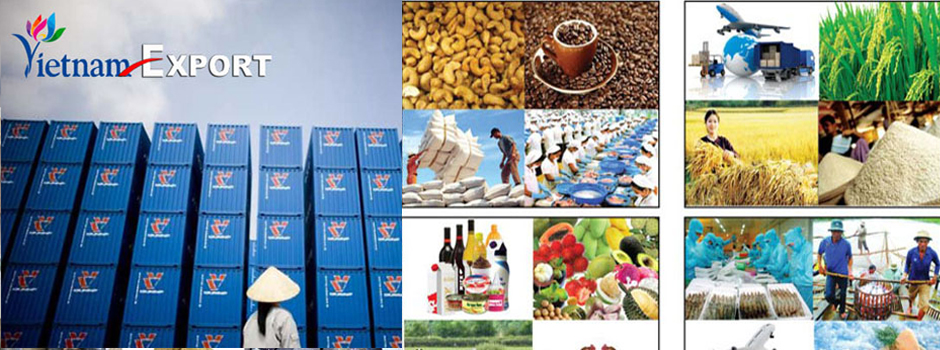
Vietnam's cashews enter the “$5 bln club” with record turnover
Vietnam's cashew export turnover in December 2025 reached $466 million, a 29% increase compared to the same period last year, according to Vietnam Customs.
This impressive year-end sprint propelled the country's total export value for 2025 to $5.229 billion—the highest level ever recorded.
Previously, in 2024, Vietnam's cashew exports surpassed the $4 billion mark for the first time, reaching over $4.3 billion. Thus, in just two consecutive years, the cashew industry has set two new milestones, with an increase of nearly $1 billion in just one year.
Beyond value, the sector also set a new volume record in 2025, reaching 766,585 tons, up 5.7% from 2024. This indicates that the industry's growth is driven not only by favorable prices but also by enhanced processing capacity and successful market expansion.
With these results, cashews have emerged as Vietnam’s third-largest agricultural export in 2025, trailing only coffee ($8.57 billion) and fruits and vegetables ($8.56 billion). Amid a sharp decline in rice exports, the breakthrough of cashews further highlights their increasingly important role in the structure of Vietnam’s agricultural exports.
A major highlight of the 2025 export landscape was a significant shift in market dynamics. For the first time in history, China overtook the United States to become the largest consumer of Vietnamese cashews.
Specifically, exports to China reached $1.115 billion, while the U.S. market accounted for $975 million, followed by the Netherlands in third place with $495 million.
According to the Vietnam Cashew Association (VINACAS), this achievement resulted from a persistent transformation from a focus on social welfare to the development of a multi-billion dollar processing industry. Technological innovation is considered the key factor helping Vietnam maintain its position as the world leader in cashew kernel processing and exports.
Vneconomy-Chu Minh Khôi
Vietnam’s 2026 credit expansion projected at $106 bln, down $7 bln YoY
For 2026, the State Bank of Vietnam (SBV) projects a system-wide credit growth target of approximately 15%. This target may be adjusted upward or downward based on real-world developments to ensure inflation control, macroeconomic stability, economic growth support, and the safety of the credit institution system.
The SBV stated that on December 31, 2025, it issued a document to all credit institutions, transparently announcing the principles for credit growth allocation for 2026 to allow banks to take initiative in their operations.
Specifically, the credit growth targets assigned to credit institutions are determined based on their 2024 rating results under Circular No. 52/2018/TT-NHNN (as amended and supplemented), multiplied by a common coefficient applicable to all institutions.
Furthermore, the central bank has instructed credit institutions to strictly control credit expansion in high-risk areas, particularly the real estate sector, throughout 2026. The goal is to direct credit flows into productive sectors, priority industries, and the economy's growth drivers, while simultaneously ensuring monetary market liquidity and the operational safety of the banking system.
According to data from the SBV, as of December 31, 2025, total outstanding credit in the banking system reached VND18.58 quadrillion ($707 billion), an increase of 19.01% compared to the end of 2024. In absolute terms, system-wide credit increased by VND2.97 quadrillion ($113 billion) during 2025.
If the 15% growth target is maintained for 2026, the banking system will "inject" approximately VND2.787 quadrillion ($106 billion) in new credit into the economy. This figure is roughly VND183 trillion (nearly $7 billion) lower than the total credit added in 2025.
In line with National Assembly resolutions and directives from the Government and the Prime Minister, the SBV noted that in 2026, it will manage monetary policy in a proactive, flexible, timely, and effective manner.
This will be harmonized with a targeted expansionary fiscal policy and other macroeconomic policies to prioritize stability, control inflation, support economic growth, and facilitate the restructuring of banks under mandatory transfer.
Vneconomy-Tùng Thư
Economic diplomacy shifts gears to fuel double-digit growth momentum
Prime Minister Pham Minh Chinh has urged economic diplomacy to continue creating breakthroughs to serve the nation’s goal of achieving annual double-digit growth starting from 2026.
He made the request during an online conference with Vietnamese representative agencies abroad on January 10, in which the PM demanded that economic diplomacy be rooted in the principles of "harmonized interests and shared risks."
He emphasized the need to decisively implement the Party and State’s orientations and policies, particularly strategic resolutions and the Resolution of the upcoming 14th National Party Congress.
PM Chinh directed that priority be given to creating breakthroughs in international cooperation regarding science and technology, innovation, digital transformation, and green transition. Other key areas include sustainable energy development, smart cities, and tourism.
He also highlighted the importance of attracting major tech corporations and the community of overseas Vietnamese scientists, while creating favorable conditions for domestic businesses to integrate more deeply into global value chains.
Simultaneously, ministries, sectors, localities, and overseas representative agencies were tasked with refreshing traditional growth drivers. This involves boosting the diversification of markets, products, and supply chains; effectively tapping into potential markets in the Middle East, Africa, and South America; and expanding as well as accelerating the signing of new Free Trade Agreements (FTAs).
Furthermore, the Prime Minister assigned specific tasks to several ambassadors to promote key cooperation projects and initiatives. He called for enhanced support for businesses, especially small and medium-sized enterprises (SMEs), by building a comprehensive support ecosystem that encompasses finance, logistics, human resources, and legal frameworks.
In the context of complex global economic and political fluctuations, Vietnam’s economic diplomacy in 2025 has been assessed as having “shifted its state,” expanding markets while enhancing the quality and effectiveness of international integration.
In 2025, within the framework of 75 external activities by key national leaders, Vietnam upgraded relations with 17 countries and signed around 350 cooperation agreements—2.5 times higher than in 2024. These activities contributed to strengthening connectivity, attracting external resources, and improving the economy’s resilience to global trade and investment volatility.
Vietnam continued to maintain and consolidate its leading export markets and sustainable investment inflows, while also making breakthroughs in new, high-potential markets such as Latin America, the Middle East–Africa, Central Asia, and Eastern Europe. As a result, Vietnam ranked among the world’s top 15 trading nations, with total import-export turnover standing at over $930 billion last year.
Efforts to promote the national brand and Vietnamese products were intensified. Tourism promotion saw significant innovations in both content and form, contributing to a strong recovery of the tourism and service sectors and supporting economic growth. Over 70 cooperation documents were signed at the government, ministerial, enterprise, academic, and local levels, focusing on science and technology and other long-term strategic fields.
Economic diplomacy also left its mark by connecting Vietnam with leading global technology corporations, facilitating several major investment projects, and supporting Vietnamese tech enterprises in expanding cooperation and gradually reaching international markets. The building and consolidation of a network of overseas Vietnamese intellectuals was strengthened, with a database of about 5,000 experts, scholars, entrepreneurs, and a plan to invite 100 top experts to return to Vietnam for work.
Vietnamese representative missions abroad carried out nearly 500 economic diplomacy activities, supporting more than 150 trade and investment promotion events by localities, contributing to the signing of around 100 international cooperation agreements at the local level.
Vneconomy-Hà Lê
The 2026 economic census in Nghe An overseen
An economic census supervisory delegation from the National Statictics Office (NSO), led by Ms. Le Thi Tuong Thu, NSO Deputy Director, has a working session on January 9 with Nghe An province's Economic Census Steering Committee on the preparation and implementation of the 2026 economic census in the province.
Nghe An province in central Vietnam launched the 2026 Economic Census on the morning of January 7, 2026, selecting Quynh Luu commune as the launch point.
The province comprises 3,799 hamlets and 3,829 survey areas, with 154,144 individual business households, including 4,408 sample households.
The 2026 Economic Census is being conducted entirely electronically, utilizing smart devices and specialized software. This method aligns with the digital transformation and modernization of statistical work as per the directives of the Party and the State.
At the working session, the Nghe An Economic Census Steering Committee highlighted several challenges encountered during the 2026 Economic Census implementation in the province. Natural disasters, prolonged rain, and floods have affected the training schedule, listing, and survey organization in some areas. The reorganization and consolidation of local government models and the establishment of Steering Committees at various levels initially caused some confusion.
Additionally, changes in the base statistics personnel and the largely part-time survey team, along with difficulties in listing, sample review, identifying online business establishments, and coding industries according to the new system, have impacted the progress and quality of the Economic Census.
Speaking at the session, Mr. Bui Thanh An, Permanent Vice Chairman of Nghe An People's Committee and Head of the Provincial Economic Census Steering Committee, emphasized the significant role and importance of the 2026 Economic Census in assessing the current situation, policy formulation, and socio-economic development orientation of the province. He urged local departments, agencies, and localities to continue closely coordinating with the Provincial Statistics Office to facilitate the timely, quality, and effective implementation of the Economic Census.
On behalf of the economic census supervisory delegation from the NSO, Ms. Le Thi Tuong Thu acknowledged and highly appreciated the proactive and serious efforts of the Nghe An Provincial Economic Census Steering Committee in preparation for and executione of the census.
She requested Nghe An province to continue adhering to the survey plan, strengthening inspection, supervision, and promptly addressing any arising difficulties and obstacles during the Economic Census implementation.
vneconomy-Nguyen Thuan
Investment demand remains a main driver of the real estate market
At the Vietnam Real Estate Market Forum 2026, organized recently by the Vietnam Real Estate Association, the Vietnam Real Estate Brokers Association (VARS), and the Vietnam Real Estate Market Research Institute (VARS IRE), Mr. Nguyen Van Khoi, Chairman of the Vietnam Real Estate Association, stated that the real estate market concluded 2025 with many positive results, continuing to affirm its important role and positive contribution to economic and social development.
Highest supply in the 2019-2025 period
Presenting the market report for the past year, Ms. Pham Thi Mien, Deputy Director of VARS IRE, shared that the entire market had over 128,000 new housing products offered, the highest level in the 2019-2025 period, and an 88% increase compared to 2024. In the fourth quarter of 2025 alone, the market recorded over 42,000 new products launched, up 24% from the previous quarter and 48% from the same period last year. Inventory levels increased rapidly, but mainly consisted of products under development and future housing, reflecting the positive supply for the next phase.
However, the supply-demand mismatch continued. In some localities, mainly in the southern region, the supply of commercial housing at more affordable prices increased significantly, helping to improve the market balance locally. Conversely, in Hanoi, Da Nang, and the former Ho Chi Minh City, the mismatch became more pronounced as the supply of social housing, despite a strong increase, still could not keep up with the supply of commercial housing priced above VND80 million (more than $3,042)/m2.
By region, the supply structure continued to improve towards diversification. The North maintained its leading position, accounting for 48% of the total national supply. The southern region rose strongly, accounting for 37%, thanks to a series of projects being simultaneously deployed after a long period of stagnation. Meanwhile, the central region remained stable at 15%. On the business side, the supply was more competitive in the fourth quarter, but for the whole year, it was still mainly led by large investors.
Discussing liquidity, Mr. Le Dinh Chung, Vice Chairman of the VARS Real Estate Market Research and Evaluation Council, General Director of SGO Homes, stated that the average absorption rate in 2025 reached about 68% of the new supply, equivalent to nearly 88,000 successful transactions. In the first three quarters of the year, many projects, despite high prices, still recorded good absorption rates thanks to increased real demand and investment. However, in the fourth quarter, the absorption rate tended to decrease slightly as supply increased sharply and investor sentiment became more cautious in the context of rising deposit and lending interest rates.
Signs of rpice cuts emerge
Mr. Chung also noted that real demand continued to play an important role, but the main driver of the market still came from investment demand. More than 75% of transactions came from second-time home buyers or more, with about 10% being short-term financial leverage investors. Notably, the proportion of young people buying their first home is on the rise thanks to preferential policies and flexible payment methods from investors.
Along with the recovery of transactions, housing prices continued to rise and set new benchmarks in most areas. The low-rise and land plot segments recorded an increase in asking prices from 5-10%. Many investors applied methods to extend construction progress to reduce initial financial pressure for investors, while many projects allocated separate product funds, offering incentives for customers committed to early occupancy, limiting transfers to prioritize forming real resident communities. In the land plot segment, new asking prices recorded an increase of up to 20% due to prolonged supply shortages.
In the secondary market, low-rise housing prices increased by about 20% compared to the same period last year. Transactions were mainly concentrated in projects priced from VND100-200 million (more than $3,803 - 7,606)/m2, located in established urban areas with residents and synchronized infrastructure and amenities. Conversely, many villa and adjacent products, despite high price increases, had limited liquidity due to incomplete projects, inconvenient connectivity, and lagging regional infrastructure.
The condominium segment continued to be a hot spot in the market, with new asking prices in major cities simultaneously rising sharply, as new development projects all positioned products in the high-end segment or higher in the context of sharply increasing land-related costs. In Hanoi, the average new asking price for apartments reached about VND100 million/m2, up 40% from 2024. In the former Ho Chi Minh City, the new asking price averaged VND111 million/m2, up 23% from the previous year, with a series of luxury projects launched at the end of the year, affirming the market's growth signal. In Da Nang, the average new asking price for condominiums also exceeded VND83 million/m2, up 14% from 2024.
In the secondary market, in Hanoi, prices rose rapidly in a short time, with many areas recording increases from hundreds of millions to billions of VND per unit, but the upward trend tended to slow down at the end of the year, with some investors selling at a "loss" due to "Fear Of Missing Out" (FOMO) psychology during the hot growth phase. However, the price level in the central area remained stable.
In Da Nang, prices rose sharply due to increased investment demand, especially from Hanoi investors, but liquidity also slowed down at the end of the year with price levels tending to flatten. Meanwhile, in the former Ho Chi Minh City, apartment prices continued to accelerate, focusing on areas with large infrastructure projects under construction or about to be implemented.
vneconomy-Phan Nam
Vietnam to implement its NDC 3.0
The Nationally Determined Contribution (NDC) is one of the pillars of the Paris Agreement, outlining each country’s contribution to the global effort to curb temperature rise and move towards net-zero emissions. As of the end of October, nearly 70 nations had submitted their NDC 3.0 documents to the Secretariat of the United Nations Framework Convention on Climate Change (UNFCCC).
Vietnam is currently drafting its NDC 3.0 for the 2026-2035 period, marking its strongest commitment yet to the global climate response effort. The development and implementation of the NDC 3.0 will play a critical role in enabling Vietnam to reach its net-zero emissions by 2050 target.
Global progress
According to the latest UNFCCC report, total greenhouse gas (GHG) emissions under new NDCs are projected to reach about 13.0 Gt CO₂e in 2035 (excluding land use, land-use change and forestry, or LULUCF); a 17 per cent fall from 2019 levels.
If all new NDCs are fully implemented, including conditional commitments, total GHG emissions could fall to 12.3 Gt CO₂e by 2035, or 19-24 per cent lower than in 2019. Emissions for this group of NDCs are expected to peak before 2030 and then decline sharply through 2035.
The projected 2035 emissions level aligns broadly with a linear reduction pathway from the 2030 estimate towards a collective net-zero target. However, the anticipated reductions still fall short of what is needed to limit global warming to 1.5oC, a 60 per cent cut against 2019 levels.
At a recent technical consultation on Vietnam’s NDC 3.0 report for 2026-2035, Mr. Luong Quang Huy, Head of the Greenhouse Gas Emissions Management and Ozone Layer Protection Division at the Department of Climate Change under the Ministry of Agriculture and Environment, noted a key trend: nearly 90 per cent of next-generation NDCs now integrate economic development goals, up from 81 per cent in earlier NDCs. This shift underscores the need to advance climate action alongside socio-economic development.
On adaptation, next-generation NDCs also indicate significant updates. About 73 per cent of parties have included adaptation measures, focusing on priority areas such as food and nutrition security, water resources, health, and ecosystems. Regarding loss and damage, most parties with adaptation content in their NDCs now address related risks and impacts; an increase from 68 per cent previously.
Many countries and territories also plan to use at least one voluntary cooperation pathway under Article 6 of the Paris Agreement. Several have incorporated just-transition considerations into the preparation of their NDCs, with most intending to integrate these principles into implementation.
To deliver on these NDCs, the report highlighted two essential elements: finance and technology / innovation, which are both critical for meeting countries’ international commitments under the UNFCCC. The UNFCCC report shows that 75 per cent of parties reported on the financial support needed to implement their NDCs, with the total estimated cost put at $1.97-1.975 trillion, including around $1.339 trillion earmarked for mitigation.
Illuminating the climate roadmap
As one of the countries most vulnerable to climate change, Vietnam has consistently shown responsibility and initiative in meeting its international climate commitments, despite limited resources. The country submitted its intended NDC in 2015 and updated it in 2020 and 2022, underscoring its strongest efforts so far.
To fulfill its obligations under the Paris Agreement, Vietnam is now finalizing its NDC 3.0. Mr. Tang The Cuong, Director General of the Department of Climate Change, said the draft follows UNFCCC and Paris Agreement guidance, with mitigation and adaptation measures aligned to Vietnam’s socio-economic development scenarios.
The new NDC incorporates the latest national, sectoral, and local strategies on climate response and socio-economic development. It represents Vietnam’s highest level of effort and is expected to contribute meaningfully to global climate action. Given ongoing challenges in mobilizing support for developing countries, NDC 3.0 is being designed with detailed, feasible options as Vietnam pursues high-growth targets across multiple sectors.
The draft identifies key components: GHG reductions across energy, agriculture, LULUCF, waste, and industrial processes and product use (IPPU); climate adaptation; and cross-cutting issues such as loss and damage and gender integration. It also assesses socio-economic impacts, financial needs and likely implementation costs.
In the energy sector, Mr. Nguyen Ngoc Hung, Lead Sector Expert, said updated socio-economic projections push business-as-usual (BAU) emissions to 727.2 million tons CO₂e in 2030 - up from 678.4 million tons in the 2022 NDC - and more than 897 million tons by 2035, driven mainly by power generation, manufacturing, construction, and rising transport emissions.
Under the draft mitigation scenario, sector-wide emissions are capped between 380.2 and 519.1 million tons CO₂e, equivalent to a 34.6 per cent cut by 2030 and 41.7 per cent by 2035 compared with BAU. “Additional investment needed to deliver the NDC 3.0 energy targets is estimated at about $73.7 billion for 2026-2030 and $105.7 billion for 2031-2035,” Mr. Hung said.
In agriculture, experts said the NDC 3.0 will update mitigation pathways for crops, livestock and fisheries to meet Vietnam’s climate commitments and move towards net-zero emissions. It also aligns with the global goal of reducing methane emissions by 30 per cent by 2030 from 2020 levels. The updated NDC is expected to guide agriculture toward greener, more sustainable development, reducing environmental impacts while boosting efficiency and value.
The NDC also reflects Vietnam’s broader progress in developing climate policies and legal frameworks to implement the Paris Agreement and other international commitments.
Balancing growth and climate ambition
In practice, next-generation NDCs from many countries integrate economic growth targets across different sectors, allowing them to set priorities and identify feasible, effective measures and action based on actual conditions.
Vietnam’s approach to reducing GHG emissions will also rely on these factors to ensure feasibility and cost-benefit effectiveness, while enabling coordinated and flexible implementation that fits the country’s development context and available international support. This approach is designed to deliver co-benefits and balance climate adaptation goals with socio-economic development. It is also aligned with national and sectoral development plans for 2026-2030, moving towards the long-term objectives of the national climate change strategy through 2050.
According to a United Nations Development Programme (UNDP) representative, Vietnam is at a critical turning point, with significant momentum in science, technology, and innovation to build a sustainable and inclusive economy. This period presents major new opportunities for Vietnam to advance development, linking economic goals with green growth and sustainability.
The updated NDC will help Vietnam shift from theory to more practical implementation while remaining consistent with overall socio-economic development orientations. A comprehensive, inclusive approach will help ensure an NDC that aligns with national goals and strategic directions. With strong commitment and concrete action, Vietnam can fully achieve its environmental objectives alongside economic growth targets.
The UNDP in Vietnam added that the NDC 3.0 will not simply be a technical document but a reflection of national perspectives and vision, aimed at sustainable and resilient development. It demonstrates Vietnam’s effort to advance economic development in parallel with social progress and sustainability.
Experts believe developing and implementing the NDC 3.0 will be crucial for Vietnam to reach its net-zero emissions goal. A specialist from the German Development Cooperation Agency noted that Vietnam is making active efforts toward net-zero, and the NDC 3.0 is a key step on that path. Implementing the NDC 3.0 could also boost long-term GDP growth, with the related framework creating opportunities for Vietnam to capture new growth potential while reducing emissions.
Boxes
The World Bank’s “Vietnam 2045 - Growing Greener: Pathways to a Resilient and Sustainable Future” report used macro-economic modelling to show that climate impacts could reduce Vietnam’s GDP by at least 12.5 per cent by 2050 compared with the baseline scenario, potentially hindering the country’s goal of achieving high-income status by 2045.
It estimates that Vietnam will need about $233 billion in additional adaptation investment for agriculture, infrastructure, and human capital protection during 2025-2050, equivalent to an average of 0.75 per cent of GDP a year. Adaptation investments in disaster risk management, urban management, transport, and agriculture could help cut projected GDP losses from 12.5 per cent to 6.7 per cent by 2050.
According to the updated National Climate Change Adaptation Plan for 2021-2030, with a Vision to 2050, Vietnam will need an estimated $55-92 billion during 2021-2030 to fully carry out climate adaptation tasks. If it continues allocating 1.5 per cent of GDP to climate adaptation during this period, the country will need to mobilize an additional $2.75-6.42 billion a year from non-budget sources.
VET-Nhi Anh
Over 200 eco-agriculture models implemented with international support
Vietnam has implemented more than 200 eco-agriculture models with support from international organizations such as the Food and Agriculture Organization (FAO) and the United Nations Development Programme (UNDP) during the 2021–2025 period.
These initiatives provided a vital foundation for expanding and upgrading sustainable farming in the coming phase.
This information was highlighted at the "International Support Group (ISG) Plenary Meeting 2025," themed "Accelerating the Food Systems Transformation towards Green, Low-Emission, and Sustainability: Parntership and Innovation" held on January 9.
According to Mr. Nguyen Do Anh Tuan, Director General of the International Cooperation Department under the Ministry of Agriculture and Environment, starting from 2026, nutrition and consumer behavior will become a primary focus of the food systems transformation program. The objective is to enhance food safety, strengthen traceability, and promote sustainable consumption patterns.
Mr. Tuan emphasized that the transformation of food systems is increasingly being approached through the lens of an "agro-food ecosystem," rather than being limited to isolated production stages.
He further noted that 2025 has clearly affirmed the prominent role of eco-agriculture in climate change adaptation and mitigation. This is reflected in Vietnam’s Nationally Determined Contributions (NDC 3.0), the project to develop 1 million hectares of high-quality, low-emission rice, and the ongoing assessment of local ecological models. Parallel to these efforts are initiatives to boost public-private partnerships (PPP) and mobilize financial resources for eco-agricultural development.
Mr. Tuan said Vietnam also continues to refine the legal and policy framework to meet the new requirements of the green transition and low-emission production.
Assoc. Prof. Dr. Tran Minh Tien, Deputy Director of the Vietnam Academy of Agricultural Sciences (VAAS), stated that future efforts will focus on effectively mobilizing financial resources and technical assistance for the ministry's key programs. These initiatives are closely linked to green growth goals, food safety, disaster risk reduction, and the application of science, technology, and digital transformation in agriculture.
From an international perspective, Mr. Nguyen Song Hà, Assistant FAO Representative in Vietnam, asserted that food system transformation strategies must be tightly integrated into key regional development programs to ensure harmony between regulations and standards.
FAO also underscored the growing importance of green finance, agricultural insurance, and carbon markets in the new era. Furthermore, the organization encouraged the collection, sharing, and scaling up of "nature-based" agricultural models that have proven effective in Vietnam. These include flood-season fish farming, rice-lotus cultivation, rice-shrimp and shrimp-forest systems, and agroforestry.
Vneconomy-Bích Hằng
Banking sector dominates corporate bond market in 2025
The corporate bond market witnessed a significant dominance by the banking sector in 2025, with its issuance estimated at VND397.5 trillion ($15.1 billion).
This accounted for over 67% of the total new corporate bond issuance in the market, marking a 30.3% increase compared to 2024.
The average issuance interest rate for the banking sector in 2025 was 6.2% per annum, lower than the overall industry average of 7.2% per annum and significantly lower than the real estate sector's 10% per annum.
The real estate sector ranked second, with a total issuance of VND137.95 trillion, a 39% increase from 2024, accounting for approximately 23.4% of the total new corporate bond issuance in 2025.
Overall, 2025 recorded 518 new issuance rounds with a total issuance value of VND 590.6 trillion, a 7% increase in the number of rounds and a 26% increase in value compared to 2024.
By the end of 2025, the total value of outstanding corporate bonds was approximately VND1.367 quadrillion, equivalent to 11.9% of GDP in 2024. Of this, 80.7% belonged to the real estate and banking sectors.
The total value of corporate bonds maturing in 2026 is estimated at VND 227 trillion, a decrease of VND 9.5 trillion compared to 2025.
VnEconomy-Tùng Thư
UOB upgrades Vietnam's 2026 economic growth forecast to 7.5%
Singapore-based United Overseas Bank (UOB) has raised its forecast for Vietnam’s GDP growth in 2026 to 7.5% from a previous estimate of 7%, according to the bank’s latest Vietnam economic outlook report.
The country’s real GDP expanded by 8.46% year-on-year in the fourth quarter of 2025, accelerating from 8.25% in the third quarter, the report noted.
The fourth-quarter growth rate significantly exceeded Bloomberg's forecast of 7.7 percent as well as UOB's earlier projection of 7.2 percent, marking the fastest quarterly expansion since 2009, excluding the volatile period caused by the COVID-19 pandemic.
Exports continued to be the main engine of growth with a year-on-year increase of 17% in the whole year’s value, despite tariff-related headwinds.
Vietnam recorded a GDP growth of 8.02% in 2025, the second-highest rate in the 2011–2025 period.
VnEconomy-Minh Huy
Shaping the path to Vietnam’s $1 trillion economy
According to forecasts from the Centre for Economics and Business Research and the International Monetary Fund, Vietnam’s GDP is projected to expand from approximately $450-490 billion at present to around $1.41 trillion by 2039. This trajectory would place the country among the world’s 25 largest economies, provided it maintains sustainable growth momentum.
More than 400 senior leaders, policymakers, and global investors gathered at The 1T Summit by Vietnam Vanguard, held in Ho Chi Minh City on January 7, to discuss Vietnam’s pivotal decade ahead.
Discussions focused on finance, innovation, and human capital as three critical pillars for achieving this development milestone amid intensifying geopolitical competition and global economic realignment.
Addressing the Summit, US Consul General in Ho Chi Minh City, Ms. Melissa Brown, highlighted 2025 as a landmark year, marking the 30th anniversary of diplomatic relations between Vietnam and the United States. She underscored the dramatic expansion of bilateral trade, which has surged from several hundred million dollars in the 1990s to more than $150 billion today.
US Consul General in Ho Chi Minh City Melissa Brown (Photo: Vietnam Vanguard)Ms. Brown reaffirmed the commitment of the US Embassy in Hanoi, the US Consulate General in Ho Chi Minh City, and the American business community to supporting Vietnam’s economic aspirations.
“The United States is eager to intensify our partnership with Vietnam in pursuit of these ambitions,” she said, adding that the US remains committed to leveraging American innovation and working with Vietnamese counterparts to further enhance the domestic business environment.
From FDI attraction to capital efficiencyThe pursuit of a $1 trillion economy has shifted the national dialogue from a simple focus on attracting FDI to a more complex mandate for capital efficiency. During a panel discussion on the reforms and capital flows reshaping Vietnam’s economic future, industry experts examined how the country can navigate an environment of rising capital costs and increasingly selective global investors.
Ms. Do Lan Anh, General Partner at ABB Private Equity, highlighted a critical tension between liquidity and trust. While liquidity remains available across the stock, private equity, and power markets, she noted that deal completion rates have been constrained by a lack of confidence following recent turbulence in the bond and foreign exchange markets. This view was echoed by Ms. Trinh Quynh Giao, CEO of PVI Asset Management, who said that while the State Bank of Vietnam’s 20 per cent credit growth target in 2025 provided short-term liquidity to support the real estate sector, long-term stability requires stronger structural foundations.
To bridge this trust gap, Ms. Giao pointed to three key developments: the establishment of an International Financial Center to provide a robust legal framework; the mandatory adoption of credit ratings and International Financial Reporting Standards to enhance transparency; and the official upgrade of Vietnam’s stock market to secondary emerging market status, reducing operational risks for global investors.
From the perspective of project developers, the discussion turned to the practical implications of the time value of money. Mr. Peter R. Ryder, Group Executive Chairman of Indochina Capital, emphasized that Vietnam’s primary challenge is not borrowing costs, which remain competitive at around 7 per cent, but prolonged approval processes. He noted that projects which should ideally be completed within 18 months are now taking up to four years, significantly eroding internal rates of return and reducing Vietnam’s competitiveness compared with markets in Europe or the US.
This need for efficiency is further underscored by the scale of investment required to sustain high growth. Mr. Nirukt Sapru, Chairman of Jardine Matheson (Vietnam), explained that achieving annual GDP growth of 10 per cent would require new social investment of up to $220 billion a year, equivalent to roughly 40 per cent of GDP. To meet this target, Vietnam must improve its Incremental Capital-Output Ratio (ICOR), generating more economic output for each unit of capital invested. Without attractive returns and reduced legal risks, he warned, capital will naturally flow towards more developed markets.
Supporting Vietnamese enterprises’ overseas IPOsSpeaking with VnEconomy / Vietnam Economic Times, Mr. Jesse Choi, Regional Director for Southeast Asia at the Sunwah Group, shared insights into Vietnam’s evolving role in global supply chain realignment and the growing interest from Hong Kong (China) and Chinese investors.
As production gradually shifts away from China, Vietnam’s geographic proximity, political stability, and strong workforce position the country as a natural destination for regional manufacturing and investment.
However, Mr. Choi noted that while Vietnam’s workforce is highly industrious, a shortage of skilled workers remains a major constraint. Compared with Thailand and Malaysia, which have established foundations in the automotive and semiconductor industries, Vietnam is still striving to move up the value chain and transition away from labor-intensive sectors such as footwear and textiles. Addressing this gap, he said, requires targeted investment in vocational training and technical education.
Against this backdrop, Sunwah is advancing several initiatives focused on human capital development and capital market access. The group is implementing vocational training programs that emphasize technology transfer, particularly in high-technology and semiconductor-related fields.
“We are implementing a model in which we train teachers at vocational schools in China and bring them back to Vietnam to impart higher-level skills, ensuring that graduates can immediately step into high-technology roles,” Mr. Choi said.
On the application of high technology to improve productivity, Mr. Choi emphasized that high-quality FDI only flows in when there is sufficient market demand. If order volumes remain low, factories tend to limit their operations to assembly in order to meet the 35 per cent localization requirement. Only when market scale is sufficiently large, he said, will enterprises be willing to invest in modern machinery and transfer technology from their original plants.
In parallel, through its Hong Kong (China)-listed subsidiary Sunwah Kingsway, the Group has full capacity and licensing to support Vietnamese enterprises seeking listings in Hong Kong (China). In 2018, Sunwah led the market in the number of initial public offerings (IPOs) by small and medium-sized enterprises.
“We are currently considering supporting several Vietnamese companies, including those in the advertising sector, to list in Hong Kong (China),” Mr. Choi said. “However, the Hong Kong Exchange maintains strict requirements on profitability over three consecutive years, meaning Vietnamese firms must be sufficiently robust to meet these standards.”
Mr. Choi also highlighted Hong Kong (China)’s role as a critical gateway for international capital and a bridge to the Chinese market. Listing in Hong Kong (China) not only facilitates capital raising but also enhances global brand prestige, similar to VinFast’s listing on Nasdaq in the US.
The panel discussion concluded by identifying four strategic pillars for the coming decade: sovereign credit rating upgrades, administrative streamlining, infrastructure development, and the opening of key sectors. While Ms. Giao noted that achieving an investment-grade credit rating by 2030 would significantly reduce capital costs, Mr. Sapru stressed that there is no trade-off between high returns and social progress. Efficient capital allocation into essential infrastructure and affordable housing, he said, naturally aligns investor returns with national development objectives.
vneconomy-Nhu Quynh
Processing time for high-tech enterprise certificates halved
The Ministry of Science and Technology (MoST) is now required to appraise and issue high-tech enterprise certificates within 15 working days of receiving a complete application, effectively halving the previous 30-day limit.
This is one of the key changes introduced in Prime Ministerial Decision No. 02/2026/QD-TTg (Decision 02), recently signed by Deputy Prime Minister Nguyen Chi Dung.
The Decision aims to amend and supplement several previous regulations to streamline and simplify administrative procedures for business activities under the state management of the ministry.
Specifically, Decision 02 adjusts Articles 3, 4, and 6 of Decision No. 30/2018/QD-TTg regarding the certification of goods intended for technology incubation; or science and technology enterprise incubation; or technological innovation, as well as specialized transport vehicles within investment project production lines.
Previously, organizations and individuals were required to submit applications either in person or by mail to Provincial People's Committees, the MoST, or a relevant project management ministry. Under the new regulations, applicants can now also submit their dossiers online via the National Public Service Portal.
In addition to expanding submission methods, the new Decision significantly shortens processing times for various other procedures.
The timeframe for competent authorities to respond regarding the certification of goods used for technology and science enterprise incubation has been reduced from 10 days to 7 days. In cases where an appraisal council is required, the timeframe is cut from 20 days to 15 days.
Regarding the import of second-hand machinery and equipment under special cases (as per Decision 18/2019/QD-TTg), ministries, ministerial-level agencies, and experts must now provide their professional opinions within 5 working days of receiving a request from the MoST—down from the previous 10-day requirement.
Vneconomy-Hạ Chi
Total State-funded projects for 2026–2030 will not exceed 3,000
Prime Minister Pham Minh Chinh has directed an end to scattered public investment and ordered that the total number of State-funded public investment projects during the 2026–2030 period be strictly limited to no more than 3,000, according to a report from the Vietnam News Agency.
Addressing a national conference on public investment promotion for 2025 and 2026 on January 9, PM Chinh reviewed disbursement performance for 2025 and the full 2021–2025 term, saying that the Government has taken sustained and decisive action to create a solid legal framework, untangle bottlenecks and unlock resources for development.
Over the five-year period, the Government submitted 10 laws on public investment for National Assembly approval or amendment, and issued 61 decrees guiding the enforcement, alongside numerous resolutions, directives and dispatches to push spending. More than 20 national and regional teleconferences were convened, while the PM, Deputy PMs and local working groups conducted frequent field inspections to address project delays.
The efforts yielded notable results: total public investment disbursement since the start of the term reached roughly VND3.4 quadrillion ($130 billion), a nearly 55% increase. The number of projects using state budget was sharply reduced, from about 11,000 during 2016–2020 to roughly 4,600 in 2021–2025.
Key infrastructure milestones included the completion of 3,345km of expressways, largely finishing the eastern wing of the North–South expressway from Cao Bang to Ca Mau, 1,711km of coastal roads, and the commissioning of multiple airports and seaports. Progress also advanced on major rail, energy and strategic projects. In 2025 alone, 564 major projects were launched or inaugurated nationwide, with a combined investment capital surpassing VND5.12 quadrillion (nearly $195 billion).
Commending ministries and localities for their contributions, particularly 11 centrally-run agencies and 15 localities with disbursement rates at or above the national average, the PM pinpointed persistent shortcomings, their root causes and key lessons learnt.
Disbursement target for both 2025 and 2026 remains 100%, he reiterated, calling for a reduction in the incremental capital-output ratio (ICOR) from about 6 to 4.5 in 2026.
The Government leader asked ministers, heads of agencies, and provincial leaders to treat public investment disbursement as a core political task, raise the sense of responsibility, swiftly untangle project-specific bottlenecks and tie disbursement performance directly to annual evaluations. He also stressed the need to priorities nationally critical projects such as the second phase of Long Thanh International Airport, the North–South high-speed railway and rail links with China, urging proactive action and full assumption of responsibility.
According to the Ministry of Finance, public investment disbursement in 2025 topped VND755 trillion (more than $28.7 billion) by the late December, or 83.7% of the PM’s assigned plan, higher than the same period in 2024 but still short of expectations. For 2026, the Government has allocated nearly VND995.35 trillion (more than $37.8 billion) in state budget investment, of which about 85.6% has been assigned in detail by ministries, central agencies and localities as of January 7, with the remainder yet to be allocated.
VNA-Van Nguyen
A shift in office markets
Vietnam’s office market has demonstrated stability over the course of 2025 while undergoing a structural shift shaped by decentralization, a flight-to-quality, and the rise of sustainable workspaces. Reports from consultants show that although overall market conditions remain steady, the preferences of occupiers are evolving rapidly. The shift is less about expansion and more about recalibrating workplace strategy, with companies prioritizing higher-quality space, the employee experience, and long-term cost efficiency.
New office landscape
Supply was modest in both Hanoi and Ho Chi Minh City in the early part of the year. That scarcity helped maintain rent stability, though vacancy patterns between Grade A and Grade B buildings are diverging. Relocation continues to make up the bulk of leasing activity, especially in Hanoi, where nearly 60 per cent of transactions in the first nine months involved tenants upgrading to better-quality premises. In Ho Chi Minh City, Grade A space accounted for the overwhelming majority of completed transactions in the third quarter.
One of the most notable transformations is the rapid decentralization occurring in both markets. In Hanoi, western and mid-town districts are emerging as major alternatives to the traditional CBD, while the recent administrative boundary expansions in Ho Chi Minh City are reshaping the definition of the CBD, bringing areas such as Thu Thiem, Thu Duc city, and parts of South Saigon into the conversation as viable core office destinations.
Buildings that meet green certification standards are increasingly viewed as the market baseline. Mr. Matthew Powell, Director of Savills Hanoi, noted that the shift towards green and environmentally-friendly developments is now happening “not just because it is a global trend, but because it is essential for long-term competitiveness.” He said new buildings are expected to meet green standards from the outset, and older stock must be upgraded to avoid being left behind. This shift coincides with changing workforce demographics, as Millennials and Gen Z, who prioritize wellness, natural light, and flexibility, become the dominant groups in Vietnam’s labor market.
While both markets remain stable today, the medium-term outlook will be shaped by a significant amount of new supply, particularly in the premium segment. Between 2025 and 2027, the two cities are expected to receive between 520,000 and 700,000 sq m of new supply, based on Savills and Cushman Wakefield (CW) projections, much of it in Grade A buildings located outside of traditional CBD areas. As this supply arrives, competition is expected to intensify, pushing landlords to enhance building performance and tenant experience.
Hanoi: Stable market
Hanoi’s office market remained stable through the second and third quarters of this year, supported by steady demand, manageable new supply, and a strong preference among occupiers for higher-quality space. Total supply reached approximately 2.3 million sq m in the third quarter, according to Savills.
Despite the small number of new completions, only one project in the first half and one more in the third quarter, the market recorded more than 56,000 sq m of net absorption in the first nine months of the year, according to CBRE. This level matched the same period of 2024 and signaled a measured confidence among occupiers despite broader global uncertainties.
New supply in the third quarter caused vacancies in the segment to rise to 16.8 per cent, according to CBRE, while CW’s earlier data pointed to a slight quarter-on-quarter decline in occupancy in the second quarter. This divergence underscores growing competition within the mid-range segment, where landlords are increasingly offering incentives and flexible terms to retain tenants.
Rental levels have remained generally stable. For the third quarter, CBRE reported average Grade A rents at $27.5 per sq m per month, unchanged from the previous quarter, and Grade B rents at $15.1 per sq m per month, a slight increase driven by the entry of newer buildings into the segment.
Decentralization remains the most significant trend shaping Hanoi’s market. Tenants are increasingly selecting locations in the western and mid-town areas, where newer buildings offer modern layouts, energy-efficient systems, and more competitive pricing compared with the traditional CBD. Starlake Tay Ho Tay, in particular, is emerging as a major hub for next-generation office projects. Oriental Square, the first Grade A building launched in the area, is helping establish Tay Ho as a rising premium cluster, and Savills expects a wave of new developments in the next two to three years to strengthen this position further.
Industry demand remains anchored by the banking and finance, insurance, and information technology (IT) / telecommunications sectors, which each accounted for about one-third of leasing activity in the first half of this year. Relocation continues to dominate deal flow. Even in a cautious macro-economic environment, companies are prioritizing workplace upgrades to enhance the employee experience, accommodate hybrid work models, and optimize operational efficiency.
Mr. Powell emphasized that green certification is no longer optional, “it is becoming the default expectation for new buildings in Hanoi. Older projects will need to invest in sustainable operations and improved user experience if they are to remain competitive.”
HCMC: Rising appetite
Ho Chi Minh City’s office market displayed stronger momentum in the third quarter of this year, driven by improved occupancy in Grade A buildings, sustained demand from high-growth industries, and a gradual reshaping of the city’s office geography following the administrative mergers. While new supply remained limited through the second and third quarters, tenant activity was concentrated in the premium segment, resulting in a notable decline in vacancies and stable rental performance.
The Grade A vacancy rate dropped sharply in the third quarter, by 4.2 percentage points to 18.6 per cent, according to CBRE, supported by more than 27,000 sq m of net absorption in the quarter alone. Grade B vacancy rose to 13.7 per cent due to the completion of Tan Thuan Tower in District 7, which added more than 13,000 sq m of new supply.
Rents adjusted only slightly in the quarter, with Grade A and Grade B recording small quarter-on-quarter declines but maintaining positive year-on-year growth of 1.9 per cent and 1.7 per cent, respectively.
CW’s second-quarter data shows a significant rental gap between CBD and fringe markets. Grade A rents in the CBD averaged $62.09 per sq m per month in the quarter, while comparable space in the CBD fringe averaged $40.70. Grade B rents demonstrated a similar pattern, with $44.76 in the CBD and $28.27 in fringe areas. These disparities continue to encourage tenants to consider decentralized locations, especially as infrastructure improvements make non-core districts more accessible.
Demand in the southern city is being driven by sectors with strong growth trajectories and increasingly sophisticated space requirements. In the third quarter, logistics accounted for as much as 40 per cent of total transacted area, according to CBRE, followed by IT at 29 per cent and retail, trade, and services at 26 per cent. Many of these tenants require large floorplates, often between 600 and 1,000 sq m and sometimes up to 3,000 sq m, making new Grade A buildings the preferred option.
A key structural shift is taking place in how the market defines “central”. Savills noted that the administrative merger is expanding the CBD’s boundaries, bringing areas such as Thu Thiem, Thu Duc city, and South Saigon into an enlarged central market. In practice, it means tenants now view a wider range of districts as viable central locations, especially when those areas offer modern buildings at more attractive rents.
Savills expects more than 234,000 sq m of new office space to be added by 2027, with key upcoming projects including Saigon Marina IFC, The Kross, OneHub Saigon Tower 2, and Millennial Tower.
Overall, Ho Chi Minh City is transitioning towards a market characterized by broader geographic choice, stronger premium demand, and heightened expectations for building performance. As supply expands in the next two to three years, competition will likely shift from location-based differentiation to quality, sustainability, and workplace experience, continuing the market’s ongoing transformation.
VET-Diep Linh
Vietnam welcomes 21.2 mln foreign tourists in 2025
Vietnam welcomed a record 21.2 million international visitors in 2025, up 20.4% year on year, according to the Vietnam National Authority of Tourism (VNAT).
The figure also marked a 17.8% increase compared with 2019, the pre-COVID-19 benchmark year, highlighting the strong recovery and expansion of the tourism sector.
More than 2 million foreign tourists arrived in December alone, an increase of 15.7% from a year earlier, pushing total arrivals for 2025 to a new high.
Asia remained Vietnam’s largest source market, accounting for 78.6% of total international arrivals with 16.6 million visitors. It was followed by Europe with 2.8 million visitors, then Oceania and Africa.
China continued to lead with more than 5.3 million visitors, representing about 25% of total international arrivals. Other major source markets included the Republic of Korea (RoK), Taiwan (China), the United States, Japan, India, Russia, Cambodia, Malaysia, and Australia.
Tourism revenue also posted strong growth. Accommodation and catering services generated an estimated VND843.1 trillion (around $32 billion), up 14.6% year on year, while travel services revenue reached VND93.9 trillion, surging 20.2%.
VnEconomy-Tường Bách
Housing supply booms in Hanoi and HCM City
The total supply of new housing units in Hanoi and Ho Chi Minh City reached more than 30,000 units in the fourth quarter of 2025, the highest level in the past three years, according to the Market Research and Customer Insights Center of One Mount Group.
In Hanoi, around 15,500 new apartments were launched for sale, up 85% quarter on quarter and 26% year on year.
Meanwhile, Ho Chi Minh City showed a clear recovery following a prolonged period of stagnation. New housing supply in the fourth quarter of 2025 reached 14,500 units, surging 130% from the previous quarter and 2.7 times higher than the same period in 2024.
In terms of pricing, the average primary apartment price in Hanoi stood at VND86 million (about $3,269) per square metre in the fourth quarter of 2025, remaining stable compared with the previous quarter and rising 13% year on year.
In the central area of Ho Chi Minh City, the average selling price climbed to VND103.2 million per square metre, up 8.6% quarter on quarter and 25% year on year.
Looking ahead to 2026, One Mount Group forecasts that the primary apartment market in Hanoi will continue to maintain positive growth momentum, with 35,000–40,000 new units expected to be launched. This level is projected to be on par with or higher than in 2025, and above the post-Covid-19 average.
VnEconomy-Thanh Xuân