Vietnam News


Vietnam's 2025 coffee exports forecast to exceed $8bln
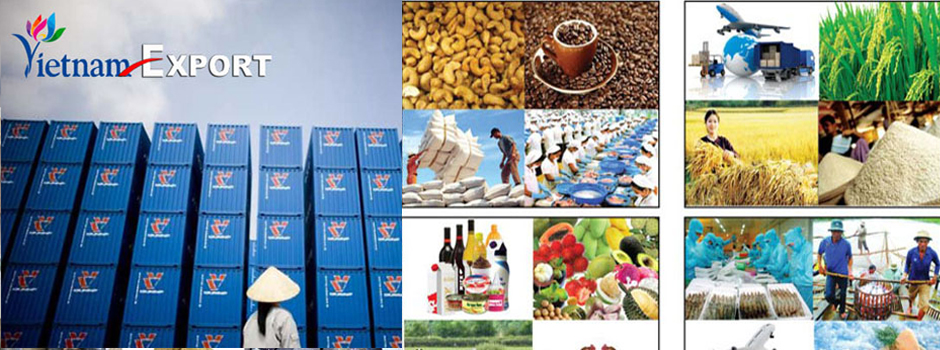
Vietnam’s coffee export revenue is likely to surpass $8 billion in 2025, far earlier than the original target of 2030, according to the Vietnam Coffee – Cocoa Association (Vicofa).
The association was quoted by the Vietnam News Agency as saying that the projection is grounded in three key factors: improved product quality, a rising proportion of deeply processed products, and market expansion based on long-term strategic planning.
Vietnam exported 1.3 million tons of coffee in the first ten months of the year, earning $7.41 billion, up 61.8% year-on-year and marking the highest annual value increase to date, figures from the Ministry of Agriculture and Environment show.
The average export price reached $5,653 per ton, a 42.5% surge from the same period last year. Several markets posted outstanding growth, particularly Mexico, where export value jumped by 34.7 times.
VNA-Khánh Vân
Dong Nai grants investment certificate for $228 mln Aeon Mall project
The People's Committee of Dong Nai province in southern Vietnam on November 17 granted the investment registration certificate for the Aeon Mall Bien Hoa Trade Center project (Aeon Mall Bien Hoa) to the investor, Aeon Mall Vietnam Co., Ltd. (a Japanese enterprise).
With a total investment exceeding VND6 trillion (nearly $228 million), this is not only an impressive figure but also holds strategic significance for promoting the province's economic restructuring, according to Vice Chairman of the Provincial People's Committee Nguyen Kim Long.
Furthermore, the project demonstrates Dong Nai province's determination to vigorously develop its trade and service sectors, moving towards a more balanced and sustainable economy, commensurate with its position as a gateway province to the Southern economic region.
The Aeon Mall Bien Hoa project covers an area of over 10 ha, located on Dang Van Tron Street, Tran Bien Ward. It is licensed to invest in the construction and operation of a general commercial service center and offices for lease.
Vneconomy-Phương Nhi
10M seafood exports: shrimp pangasius up, tuna down
Vietnam's seafood export sector has shown significant growth in the first ten months of 2025, with shrimp and pangasius fish leading the charge, while tuna exports have seen a decline.
According to the Vietnam Association of Seafood Exporters and Producers (VASEP), the country's seafood exports reached $9.5 billion, marking a 16% increase compared to the same period in 2024.
Pangasius fish exports alone brought in $217 million in October, an 8% increase from October 2024, raising the total export value for this product to $1.8 billion, a 9% increase year-on-year.
In terms of market performance, exports to mainland China and Hong Kong (China) reached $73 million in October 2025, a 19% increase from the previous year, signaling a recovery in demand from China, especially towards the end of the year. Conversely, exports to the US fell by 17% to $29 million, while exports to Brazil saw a slight increase of 1% to $15 million. The UK market continued its downward trend, with exports dropping by 33% to $4 million.
Within the CPTPP bloc, Vietnam's pangasius exports reached $305 million, a 36% increase, accounting for 17% of the total pangasius export value. Notably, Malaysia showed a strong growth of 37%, reflecting an expanding demand in the region. In the EU, total exports reached $149 million, a modest 3% increase, with Spain showing a significant 22% growth, highlighting the varied demand across EU member states.
The frozen fillet segment (HS0304) achieved nearly $1.5 billion, an 11% increase, while other frozen, dried, and whole fish products remained stable. Processed pangasius products saw a 19% increase, indicating potential for value-added products in the export structure.
After a slowdown in Q3, October 2025 showed optimistic signs for Vietnam's pangasius exports, with some major markets showing positive trends, although others remained stagnant due to inventory and holiday import cycles. Looking ahead to Q4 2025, some major markets may continue to decline due to incomplete demand recovery. The key driver for the end of the year and into 2026 will be the POR20 results in the US, where a 0% anti-dumping duty could significantly boost importer confidence, despite a 20% countervailing duty impacting profit margins.
The strategic focus for Q4 2025 and 2026 will be expanding exports to the CPTPP bloc and the Middle East, where Vietnam benefits from tariff preferences and favorable market access conditions. The EU is also expected to maintain growth due to more flexible technical regulations for aquaculture products, creating opportunities for deeply processed pangasius products.
For shrimp, VASEP reported that exports reached $3.9 billion, a 22% increase. Exports to China and Hong Kong exceeded $1 billion, a 66% increase, making China the top importer of Vietnamese shrimp, accounting for 28.2% of total shrimp exports.
Experts predict a slight increase in China's shrimp imports in Q4 2025, driven by holiday and Lunar New Year demand. However, risks from border control policies and customs regulation changes remain, requiring exporters to be professional and adhere to new regulations to capitalize on opportunities.
In summary, shrimp continues to be the leading export product, with a 22% growth, while pangasius and squid-octopus also show positive growth. In contrast, tuna exports have declined by 4%. The seafood export sector is poised for sustainable growth if it can leverage tariff advantages and market shifts effectively.
Vneconomy-Chu Khôi
A $5-million climate finance project launched in Vinh Long
A new initiative to boost climate resilience and sustainable livelihoods in the Mekong Delta was launched recently in November by the International Fund for Agricultural Development (IFAD), in partnership with the Ministry of Agriculture and Environment and the Provincial People’s Committee of Vinh Long.
With $5 million in financing, the Innovative Financial Incentives for Adaptation in Wetland Livelihoods (IFIA) project aims to pilot and institutionalize innovative climate finance mechanisms in support of small-scale producers, ethnic minorities, and youth in the Delta region to adapt to the growing impacts of climate change in Vietnam’s coastal areas.
“This is not just a project—it’s a blueprint for inclusive climate finance,” said Mr. Ambrosio Barros, IFAD Country Director for Vietnam. “We are investing in solutions that work for both farmers and ecosystems. From participatory research grants to tailored financial products, IFIA is designed to be scalable, replicable and transformative.”
“The project empowers our communities to lead the way in climate adaptation,” said Mr. Nguyen Truc Son, Vice Chairman of the Vinh Long Provincial People’s Committee. “This is an opportunity to strengthen our local economies while protecting our natural resources.”
Representing the Vietnam Agency of Seas and Islands (VASI) under the Ministry of Natural Resources and Environment, Ms. Nguyen My Hang, Head of Science, Technology and International Cooperation Division, emphasized the project’s alignment with national priorities and the importance of strong partnerships.
“This project is timely and strategic. By embedding innovation into both finance and policy, we are creating a model for adaptive, inclusive and sustainable development in vulnerable coastal areas,” she said.
“The partnership between our Ministry, IFAD, and the provinces is crucial to ensure that resources, knowledge and innovations reach those who need them most. We expect this collaboration to generate models that can inform national policy and inspire broader climate action across Vietnam.”
The IFIA project is being implemented in wetland and mangrove areas of the former provinces of Tra Vinh and Ben Tre (now Vinh Long province) to tematize learning, and institutionalize innovative financing instruments that can scale up adaptation in coastal livelihood activities such as eco-aquaculture, eco-tourism, and the sustainable use of non-timber forest products from mangroves. These approaches will contribute directly to the conservation and sustainable use of wetlands and mangrove forests in the Mekong Delta.
The project will run from June 2025 to June 2029, with a mid-term review scheduled for January 2027 and a terminal evaluation in December 2029. It is implemented by IFAD as a Multilateral Implementing Entity, with execution led by the Ministry of Agriculture and Environment and the Vinh Long Provincial People’s Committee.
IFIA will also be implemented alongside the ongoing CSAT - the Climate Smart Agricultural Value Chain Development project, which IFAD is actively delivering in the same locality. Together, these initiatives aim to strengthen private sector engagement with small-scale producers in advancing innovation and climate adaptation.
vneconomy-Anh Hoang
$910 mln expressway proposed in Nghe An province
The Vietnamese Government has submitted to the National Assembly a feasibility study of a project for building the Vinh - Thanh Thuy expressway in central Nghe An province, with the investment capital sourcing from the State budget.
The expressway begins at the connection with the Dien Chau - Bai Vot segment of the North-South expressway in Nghe An province, and ends at the Thanh Thuy border economic zone at the Thanh Thuy/Nam On border gate on the Vietnam-Laos border.
The projected 60-km expressway will be designed with four lanes on a roadbed width of 22 – 24.75 meters, allowing a maximum speed of 100 kph.
The project's preliminary total investment is estimated at over VND23.94 trillion ($910 million).
Construction of the project is scheduled to start in the third quarter of 2026 and complete by 2028.
VnEconomy-Gia Huy
10M consumer price index under control
The latest report from the National Statistics Office (NSO) at the Ministry of Finance (MoF) put the increase to the consumer price index (CPI) in October at 0.2 per cent against September, 2.82 per cent since December 2024, and 3.25 per cent year-on-year. The increase in the first ten months of 2025 was 3.27 per cent year-on-year.
The main factors behind the October CPI increase were higher food prices in cities and provinces affected by flooding, rising costs of dining out due to higher ingredient prices, and adjustments to tuition fees in non-public education for the new school year. Housing, electricity and water, construction materials, clothing, household equipment, and other categories increased only slightly, reflecting recovery in consumer demand and higher production costs as the end of the year approaches.
Core inflation stable
According to the NSO, the average monthly CPI increase was 0.28 per cent since the start of the year; lower than in the same period of 2024. Main contributors included food and catering services (up 3.18 per cent), housing and construction materials (up 6.2 per cent), medicine and healthcare services (up 13.39 per cent), and education (up 1.95 per cent). Conversely, transportation (down 2.61 per cent) and postal and telecommunications services (down 0.48 per cent) helped limit overall growth.
Its figures also show that core inflation in October rose 0.35 per cent from September and 3.30 per cent year-on-year. On average, during the ten-month period, core inflation increased 3.20 per cent year-on-year, or slightly below overall CPI growth.
Results indicate that price and monetary policies are moving in the right direction, helping to control inflation without undermining economic growth. The increase in the CPI is also considered consistent with market trends and aligns with the government’s goal of keeping inflation under 4 per cent.
Experts noted that a ten-month CPI increase of just 3.27 per cent reflects close coordination between fiscal and monetary policies. The MoF controls public spending and reasonably manages prices on essential goods, while the State Bank of Vietnam proactively loosens credit in a controlled manner, supporting business recovery without creating inflationary pressure.
Certain factors may cause slight price increases in the final two months of 2025, such as rising year-end consumer demand, adjustments to tuition and public service fees, and global energy price fluctuations. However, with a stable macro-economic foundation and flexible policy tools, the likelihood of inflation exceeding 4.5 per cent is rather low.
Analysts emphasized the importance of stabilizing inflation expectations and avoiding “panic” price adjustments. Transparency in the supply and demand of fuel, food, gold, and foreign currency is also necessary to maintain market confidence.
The CPI increase in the first ten months clearly demonstrates that inflation in Vietnam is well-controlled despite global uncertainties. This outcome is not only the result of sound economic policies but also a key foundation for maintaining high growth, stabilizing living standards, and reinforcing confidence in the government’s management capacity.
Inflation under control
Vietnam’s inflation has remained stable even as fiscal and monetary policies have been loosened to support growth. As of the end of September, money supply was estimated to have risen 8.5 per cent, with credit up 13.4 per cent since the beginning of the year. However, the velocity of money stood at just 0.65-times, well below the usual 0.9 to 1.0-times.
Dr. Can Van Luc, Chief Economist at the Bank for Investment and Development of Vietnam (BIDV), attributed this mainly to a slowdown in money circulation. “Though more money is being injected into the economy, it is not circulating strongly, with bottlenecks in areas such as public investment and private sector capital flows,” he explained. “As a result, inflation did not surge.” Another key factor was tight control over essential goods like food, fuel, and electricity, along with ensuring ample supply.
According to the NSO, the positive results in inflation control are due to ministries, agencies, and local authorities aggressively implementing coordinated measures to manage prices and balance supply and demand, especially in essential goods, as directed by the government. Supportive policies, such as a 2 per cent reduction in VAT, cuts in fees and charges, and lower import tariffs on many goods, have also been maintained.
Local governments have actively promoted industrial programs, supported small and medium-sized enterprises, boosted production and business, and improved the investment environment. Experts believe these measures leave space to keep annual inflation below the National Assembly (NA) target.
Dr. Luc added that inflation is not a major concern for 2025. The annual average CPI is forecast at 3.8-4 per cent - under the NA target - thanks to sufficient supply of essential goods and services, stable exchange rates and interest rates, and close coordination between fiscal and monetary policies. Still, inflationary pressure may rise in the final quarter of the year due to cost-push and demand-pull factors.
Cost-push pressures include higher import prices stemming from US tariffs and increases in State-managed goods, while demand-pull pressures may come from credit growth to meet higher capital needs. Authorities also need to ensure adequate supply of essential goods during floods and natural disasters to stabilize prices.
Economists caution that authorities cannot be complacent. From now until year’s-end, food and dining-out prices could continue rising in flood-affected areas, particularly vegetables and processed food. Vietnam’s economy remains exposed to external factors, such as energy prices, exchange rates, and monetary policy changes in major economies, requiring careful monitoring and flexible policy adjustments.
Public investment disbursement pressure is also increasing, with nearly VND1,000 trillion ($38.5 billion) targeted for full allocation in 2025. Implementing market-based pricing for State-managed services must be carefully managed to balance CPI trends with development and social stability goals.
The government issued Resolution No. 86/NQ-CP on November 4, outlining key tasks for the closing months of the year and emphasizing continued inflation control, macro-economic stability, growth promotion, and the maintenance of major economic balances. Credit will be directed towards production, priority sectors, and growth drivers, while the gold, stock, bond, and real estate markets will be closely managed.
Source: National Statistics Office, Ministry of FinanceVET-Song Ha
HCM City strives to complete 232km of urban rail by 2030
Ho Chi Minh City targets to complete approximately 232km of urban railway by 2030 with an estimated total investment of about $19.67 billion, according to Mr. Tran Quang Lam, Director of the City Construction Department.
During a recent working session between the municipal authorities and the Steering Committee for the Development of HCMC’s Urban Railway Network and HCMC Urban Railway Management Board, Mr. Lam reported that the national railway network in Ho Chi Minh City, under a master plan approved by the Prime Minister, includes seven routes with a total length of 547 kilometers. The city’s urban railway network comprises 27 routes with a total length of 1,024 kilometers.
During the 2025-2030 period, the city will prioritize six key projects, including Metro Line 2 (Ben Thanh – Tham Luong segment, and Ben Thanh – Thu Thiem segment); Thu Thiem – Long Thanh railway; Binh Duong New City – Suoi Tien urban railway; Thu Dau Mot City – HCMC urban railway; Phase 1 of Metro Line 6 (Tan Son Nhat International Airport- Phu Huu); and Ben Thanh – Can Gio railway.
A highlight in Ho Chi Minh City's urban railway development plan will be the groundbreaking of the Ben Thanh - Can Gio Metro line scheduled on December 19. This metro line, with a total investment of over VND86.65 trillion (nearly $3.3 billion), is expected to become a vital transportation artery, reducing travel time and opening up new development space for the southern part of the city, especially Can Gio. This project not only helps reduce traffic congestion but also promotes economic and tourism development in the area.
VnEconomy-Hồng Vinh
Hanoi approves planning tasks for urban subdivisions
Hanoi has recently approved the planning tasks for the urban subdivisions E5-1A, E5-1B, and XB-5, covering a combined area of over 7,240 hectares.
These subdivisions are part of a broader urban development strategy aimed at modernizing infrastructure and enhancing connectivity with rural areas.
The E5-1A and E5-1B subdivisions are located in the northeastern part of the capital city, within the administrative boundaries of Dong Anh and Phu Dong communes. The research area spans 3,272 hectares, with a projected population of 220,000 to 230,000 by 2045.
This area is envisioned as a new development zone for the central urban area, featuring modern infrastructure and serving as a crucial gateway to the northeast of Hanoi. It will host high-quality logistics and commercial service centers, leveraging the national railway and waterway transport systems. Additionally, the area will develop regional-level science and technology research centers, educational institutions, high-quality healthcare complexes, international-standard recreational centers, and thematic parks, creating a new highlight for the region.
The XB-5 subdivision, located around Noi Bai International Airport, with a research scale of approximately 3,971 hectares, encompasses the communes of Noi Bai, Soc Son, Quang Minh, and Phuc Thinh.
This area is designated as a green buffer zone and serves as a tourism corridor along the Ca Lo River, featuring traditional craft villages, low-density ecological residential areas, and centers for airport services, commerce, logistics, and international cargo transshipment. It is also a national and regional aviation transport hub, including Noi Bai International Airport.
VnEconomy-Hoàng Bách
Budget revenue exceeds estimate by more than 10%
As of October 31, 2025, the cumulative state budget revenue reached VND2.18 quadrillion (nearly $82.7 billion), equivalent to 110.97 per cent of the assigned estimate, according to a recent report from the State Treasury.
In terms of structure, domestic revenue continues to be the main driver, reaching over VND1.8 quadrillion (more than $68 billion), equivalent to 112.4% of the estimate. These figures indicate that domestic business and production activities are recovering, along with the effectiveness of anti-tax evasion measures and the expansion of the tax base.
Revenue from import-export activities also achieved positive results, reaching VND264.6 trillion (more than $10 billion), equivalent to 112.6 per cent of the estimate. This result was attrituted to the clear recovery momentum of international trade activities in the third quarter and the early weeks of the fourth quarter of 2025, contributing to increasing revenue for the state budget in the year's final stage.
However, the progress of development investment expenditure remains slow, with the cumulative disbursed public investment capital in the ten-month period reaching over VND447 trillion ($16.9 billion), equivalent to 51.9 per cent of the 2025 plan assigned by the National Assembly and the Prime Minister. Compared to the total public investment capital plan for 2025, the disbursement rate has only reached 43.7 per cent.
The State Treasury stated that the period from now until the end of the year is the peak phase for controlling and disbursing budget capital. The entire system will focus on key tasks to ensure the effective use of budget capital, such as completing projects, policies, and legal documents; updating and reporting on the budget revenue-expenditure situation and public investment disbursement progress.
In addition, the State Treasury continues to mobilize capital for the budget and development projects through issuing government bonds.
-Hoàng Sơn
Ha Tinh emerges as magnet for private investment
Ha Tinh province in central Vietnam has rapidly become an attractive destination for private investors, with strong capital inflows poured into a wide range of strategic projects.
In the first ten months of the year, provincial authorities approved investment policies for 36 domestically invested projects with a total registered capital of more than VND107.78 trillion ($4.09 billion) — an increase of seven projects year-on-year and a seven-fold rise in capital value compared to the same period last year.
A standout feature of Ha Tinh’s investment landscape is the growing momentum of renewable energy projects, a sector the province has prioritised as a foundation for green and sustainable economic development. Among them, the Ky Anh Wind Power Plant, approved in September, has drawn significant public and investor interest. The project has a total investment capital of over VND17 trillion ($646 million) and includes 47 turbines, each with a capacity of 5–8.5 MW.
From January to October, the province also attracted five foreign direct investment (FDI) projects, further highlighting its rising appeal to both domestic and international investors.
VnEconomy-Nguyễn Thuấn
Newly registered enterprises on the rise
Vietnam recorded 162,900 newly-established enterprises in the first ten months of 2025, with total registered capital of VND1,590 trillion ($61.2 billion) and 967,600 registered employees, according to the National Statistics Office at the Ministry of Finance.
All key indicators increased year-on-year, with the number of new businesses up 19.7 per cent, total registered capital 21.4 per cent, and registered jobs 18.6 per cent. Average registered capital per new enterprise stood at VND9.8 billion ($377,000); a slight increase of 1.4 per cent, suggesting that the number of newly-established enterprises remains stable.
Mixed landscape
The business landscape over the first ten months saw a record VND5,200 trillion ($200 billion) in additional registered capital injected into the economy. The figure including both new registrations and capital increases from existing enterprises surged 98.2 per cent year-on-year, reflecting growing confidence among businesses about expanding investment and production.
Along with the rise in new enterprises, the number of those resuming operations after a period of suspension also climbed sharply, to 92,900, up 40.3 per cent. In total, 255,900 new and returning enterprises joined the market in the first ten months, an increase of 26.5 per cent year-on-year. On average, 25,600 businesses entered or re-entered the market each month.
By sector, services continued to dominate, with 124,800 new enterprises, up 21 per cent, followed by industry and construction with 36,600, up 16 per cent, and agriculture, forestry, and fisheries with 1,534, an increase of 11.7 per cent.
Beneath the upbeat numbers, however, the business environment remained highly competitive. In the period, 105,400 enterprises temporarily suspended operations, up 14.4 per cent, while another 26,800 completed dissolution procedures, up a substantial 54.5 per cent, and 58,400 halted operations pending dissolution, down 8.3 per cent.
On average, 19,100 enterprises withdrew from the market each month. In October, 6,065 suspended operations, 6,771 awaited dissolution, and 4,536 completed dissolution, for an increase of 128.3 per cent compared to October 2024.
The contrasting trends show that while entrepreneurial energy remained strong, mounting competitive pressures and persistent barriers in the business environment continued to force many enterprises to exit the market.
Sustaining business growth
Vietnamese businesses face mounting challenges, from longstanding structural problems to newly-emerging legal barriers. The Vietnam Industrial Park Finance Association (VIPFA) pointed to overlapping and inconsistent regulations across core laws such as those on Investment, Land, Construction, and Environmental Protection. These inconsistencies in procedures and authority often force investors to duplicate paperwork and repeat approval steps, delaying projects, especially in land access, environmental assessment, and fire safety certification.
Operational hurdles remain equally pressing. Tax incentives are often unclear and inconsistently applied, while extended VAT refunds continued to strain cash flow, particularly for newly-launched FDI projects. Customs procedures, though being reformed, still suffer from inconsistent goods classification and HS code application, leading to disputes and potential tax arrears. Overlapping specialized inspections further delayed clearance at ports, adding to logistics costs.
Even in the food and health sectors, the business community has voiced concern. EuroCham’s Nutritional Foods Group Sector Committee warned that draft amendments to Decree No. 15/2018/ND-CP will significantly increase procedural complexity, requiring up to 600 per cent more documentation and prolonging appraisal times by 1,400 per cent. Proposed changes risk both the exposure of proprietary technical information and product spoilage, such as fresh milk requiring a 21-day review despite a 10-day shelf life.
Beyond external barriers, many small and medium-sized Vietnamese enterprises also struggle internally with limited financial transparency and compliance capacity, especially amid digital transformation. The root of these challenges often lies in business owners’ attitudes towards governance and legal responsibility.
To meet ambitious GDP growth targets of more than 8 per cent this year and double-digit growth in subsequent years, with 2 million active enterprises contributing 55-58 per cent of GDP by 2030, as set by Politburo Resolution No. 68-NQ/TW, removing these bottlenecks is essential.
The business community’s top priority is a more coherent and predictable legal framework. Laws governing land, investment, and construction must be harmonized to remove overlaps. Administrative reform should move towards a genuine one-stop, interconnected digital process that reduces face-to-face interactions and paperwork.
Enterprises also urge a shift from pre-approval to post-inspection based on risk management; an approach widely adopted internationally. Instead of complicated pre-checks, the State should set clear technical standards, grant greater autonomy to businesses, and focus enforcement efforts on surprise audits and strict penalties for violations.
At the same time, companies must take greater responsibility for strengthening their own management and financial systems. The ongoing digital transformation in the tax sector exemplifies this shift. In the first nine months of 2025, the number of inspections fell 21.6 per cent thanks to AI and big data, but total tax revenue rose 22.1 per cent. This underscores the growing need for transparency, proactive compliance reviews, and internal risk control in areas such as invoicing, transfer pricing, and contractor taxation.
To succeed, businesses need a clear roadmap and stronger institutional support to modernize operations, comply with the law, and build long-term competitiveness in an increasingly demanding environment.
VET-Ngan Ha
Da Nang to host Vietnam Logistics Forum 2025
Under the theme "Vietnam Logistics Reaches for a New Era," the Vietnam Logistics Forum 2025 will take place on November 28-29, in central Vietnam's Da Nang city.
The forum aims to establish a mechanism for regular coordination and dialogue between state management agencies and logistics service businesses, as well as manufacturing, import-export, and service enterprises.
It seeks to broaden its scope, attracting participation from domestic and international businesses and investors, and fostering connections between logistics companies and manufacturing, import-export, and service enterprises.
This will contribute to enhancing the competitiveness of logistics businesses in Da Nang and other localities on the Central and Central Highlands region, and the overall development of the logistics industry nationwide.
It is expected that approximately 500-700 domestic and international delegates will attend the forum, including leaders from the Government, ministries, and agencies; leaders of provincial and city People's Committees; representatives of foreign organizations in Vietnam (World Bank, AmCham, EuroCham, JETRO, KOTRA, etc.); representatives of State management agencies for logistics from Laos, Cambodia; and those from industry associations, and logistics associations.
Vneconomy-Ngô Anh Văn
Vietnam’s agro-forestry-aquatic exports to EU up 40% in 9M
Vietnam’s export value of agro-forestry-aquatic products to the European Union reached $7.42 billion in the first nine months of 2025, a year-on-year increase of more than 40%, according to reports presented at a recent conference.
The conference was organised by the Ministry of Foreign Affairs to explore measures to boost exports to the EU, attracted more than 200 participants both onsite and online.
The EU is the world’s third-largest market for agro-forestry-aquatic products and also the third-largest importer of Vietnamese goods. However, Vietnam’s market share remains relatively small, at around 2%.
Representatives from local authorities, associations, and businesses stressed the need to meet the EU’s stringent standards; strengthen national branding; and develop green, clean products aligned with European consumer preferences. They also highlighted the importance of embedding cultural value and compelling Vietnamese narratives in exported products to enhance competitiveness.
Mr. Le Duc Tien, Vice Chairman of Quang Tri Province’s People’s Committee, proposed that the Ministry of Foreign Affairs and relevant agencies support stronger direct connections between Vietnamese enterprises and EU distribution networks through the country’s embassy and trade office network in Europe. He also called for greater assistance in providing market insights, technical standards, and updates on new EU regulations, as well as intensified trade promotion.
Delegates further emphasized the need to expand logistics infrastructure in Vietnam's north-central region, including investment in logistics centers, regional cold storage systems, and the establishment of testing and inspection facilities to better serve export activities to the EU.
VnEconomy-Thiên Anh
Ho Chi Minh City's Ben Thanh - Can Gio metro line project set for Dec 19 groundbreaking
At a recent meeting of the Steering Committee for the Development of Ho Chi Minh City's Urban Railway Network, Secretary of the City Party Committee and Head of the Steering Committee, Mr. Tran Luu Quang, announced that the city would break ground on the southern city's Ben Thanh – Can Gio line on December 19.
The projected 53-km metro line will cost over VND86.65 trillion (nearly $3.3 billion), according to a report from Radio the Voice of Vietnam.
Proposed for investment by VinSpeed High-Speed Railway Investment and Development Joint Stock Company, the projected metro line will pass through eight communes and wards: Ben Thanh, Xom Chieu, Tan Thuan, Tan My, Nha Be, Binh Khanh, An Thoi Dong, and Can Gio.
It will be built as a double-track standard gauge (1,435 mm line, with a design speed of up to 350 km/h. The line will utilize 8-car trains with a capacity of approximately 600 passengers. Trains will operate daily from 6am to 11pm, with a frequency of 20 minutes per trip. On average, this line is expected to transport over 43,600 passengers daily.
Phase 1 of the project includes two main stations: Ben Thanh and Can Gio. In Phase 2, when demand increases, four more stations may be added: Tan Thuan, Tan My, Nha Be, and Binh Khanh.
The Ben Thanh – Can Gio metro line is expected to begin commercial operation in 2028.
VOV-Pham Long
Hanoi honors 35 key industrial products
Thirty-five products from 28 businesses were honored as Hanoi's key industrial products for 2025 at a ceremony held on November 15.
Of these, the 10 highest-scoring products were named in the Top 10 Key Industrial Products of Hanoi for 2025.
Revenue from these 35 key industrial products reached nearly VND42 trillion ($1.59 billion) in 2024, with export turnover approaching $190 million.
Among the recognised companies, 11 achieved revenues exceeding VND1 trillion ($38 million) each, and six were listed in Vietnam's Top 500 Largest Enterprises in 2024.
Total revenue of the 28 recognized enterprises in 2025 is estimated at VND59 trillion ($2.24 billion).
In 2024, the Hanoi Department of Industry and Trade certified 36 key industrial products from 25 enterprises, of which 10 are among the city's top 10 industrial products. Revenue from these key industrial products reached nearly VND50 trillion ($1.9 billion).
VnEconomy-Việt An
China’s Luxshare-ICT Group plans investment expansion in Vietnam
Vice Chairman of China’s Luxshare-ICT Group Wang Laisheng affirmed the group’s commitment to expanding investment in Vietnam, during a meeting with Party General Secretary To Lam in Hanoi on November 15.
The group plans to implement several major science and technology and innovation projects in northern Bac Ninh province and other localities, with projected revenue from new investments expected to exceed $10 billion, according to Mr. Wang.
He stressed that Vietnam remains Luxshare-ICT’s most important overseas manufacturing hub among the 29 countries and territories where it operates. The group places strong emphasis on training and upskilling Vietnamese engineers and workers, with its rate of workforce localisation consistently among the highest compared to other foreign enterprises.
The Party chief highly valued Luxshare-ICT’s efforts to promote business and investment cooperation in Vietnam over the past decade, with total registered capital exceeding $1.8 billion, and tens of thousands of jobs created.
He outlined priority areas where Luxshare-ICT is encouraged to expand investment, including digital economy, green economy, science and technology, innovation, electronic components manufacturing and semiconductor development. He also called on the group to promote technology transfer and support Vietnam in training high-quality human resources.
VnEconomy-Việt An
Investment policy for over $1-billion route connecting Gia Binh airport with Hanoi approved
The Hanoi People's Council on November 13 approved a resolution to invest in a road project to connect Gia Binh Airport in Bac Ninh province, which is under construction, to Hanoi.
This project will be executed under a public-private partnership (PPP) form and a Build-Transfer (BT) contract. The road will traverse several areas, including the communes of Thuan An, Phu Dong, Thu Lam, and Dong Anh in Hanoi, as well as Tu Son and Phu Khe wards in Bac Ninh province.
The road project's total investment is estimated at nearly VND33 trillion (over $1.1 billion ), with construction and infrastructure development expected to take place between 2025 and 2026.
The project covers approximately 723.3 ha in Phu Dong and Thuan An communes in Hanoi.
The proposed road will start at the border of Bac Ninh province and end at the intersection with the Hanoi-Ha Long and Hanoi-Thai Nguyen/Ring Road 3 expressways, covering a total length of about 7 km with a width of 120 meters. A section of the road will overlap with the Hanoi-Thai Nguyen/Ring Road 3 expressways, extending approximately 6.55 km, including a 1.6-km segment in Bac Ninh province, and its width will be expanded to 120 meters.
Additionally, two connecting branches will be constructed from the Hanoi-Thai Nguyen/Ring Road 3 expressways to the approach road of Tu Lien Bridge. These branches will facilitate direct left turns from Gia Binh to Tu Lien Bridge and right turns from Tu Lien Bridge to Gia Binh. Each branch will have three lanes with a width of 14 meters and a total length of about 2.5 km.
The project's primary goal is to establish a modern, efficient, and aesthetically pleasing road connection between Gia Binh Airport and Hanoi. This will create a new development corridor to boost socio-economic growth, effectively utilize a modern, intelligent logistics area, and integrate e-commerce to meet development demands.
Vneconomy -Phương Nhi
Vietnam’s low-altitude economy forecast to reach $10 billion by 2035
Vietnam’s low-altitude economy could reach $10 billion and create 1 million jobs by 2035, the Government News quoted a report at the international forum on Vietnam's low-altitude economy in Hanoi on November 14, as reporting.
The low-altitude economy includes economic activities that take place below 1,000 meters, and can be extended to below 5,000 meters depending on each country's practical needs. It leverages both manned and unmanned aerial technologies, as well as low-altitude smart networks, to develop infrastructure, produce aerial vehicles, provide services, and ensure aviation safety.
With advantages in geopolitics, innovation-friendly policies, and a young, dynamic workforce, Vietnam has a huge opportunity to become a regional and global hub for the low-altitude industry.
Unmanned aerial vehicles (UAVs) have been used in Vietnam in all fields of agriculture, e-commerce logistics, smart cities, national defense and security, as well as search and rescue operations.
At the forum, delegates proposed building policies in developing a regulatory sandbox framework, expanding low-altitude airspace management infrastructure, and promoting research and production of UAV to serve socio-economic sectors. These efforts aim to open a new pathway for the country in the era of low-altitude aviation, creating a foundation for connecting resources, sharing knowledge, and accelerating the application of advanced technologies.
VGP-Khanh Van
Partnering to help small businesses go cashless in Vietnam
Within the framework of the Singapore Fintech Festival (SFF), which runs between November 12-14 in Singapore, Visa has announced the partnership with Sacombank, Vietcombank and VPBank to launch Visa Accept in Vietnam to support digital inclusion and SME growth across Vietnam.
Collaboration is key to supporting SMEs and Vietnam in digital transformation
The solution allows micro and small businesses to accept contactless Visa payments directly on NFC-enabled smartphones, without requiring any additional hardware.
The solution supports Vietnam’s push toward a cashless economy by helping small enterprises overcome barriers to digital payment acceptance. It reduces reliance on cash, lowers entry costs, and opens new opportunities for growth and formalization, especially for sellers in rural and informal sectors.
Sacombank, Vietcombank and VPBank are integrating this solution into their mobile banking app, allowing sellers to enroll quickly through their mobile apps and begin accepting payments via tap-to-phone or pay-by-link with minimal friction.
"By combining a trusted brand with streamlined onboarding and near real-time settlement, we enable SMEs and micro merchants to participate fully in the digital economy and foster prosperity," said Ms. Dung Dang, Country Manager for Visa Vietnam and Laos. "This solution advances digital and financial inclusion, and uplifts the Vietnamese economy."
However, in an interview with VnEconomy / Vietnam Economic Times, Ms. Dung Dang also said that the primary challenge to scaling up and ensuring the long-term sustainability of mobile payment systems in Vietnam is ragmentation, which creates friction for consumers and limits growth for merchants who have to manage various platforms.
"For us, the solution lies in our core identity as a "network of networks", so our strategy is to partner with e-wallets, not compete," she added. "By working together to drive interoperability, we can create a more connected payment ecosystem that delivers more choice and benefits for everyone, especially consumers. Long-term sustainability isn't about one system winning; it's about creating a fully interoperable ecosystem where everyone can participate securely and seamlessly. That is how we unlock growth for the entire market."
Meanwhile, Mr. Pham Duc Duy, Deputy Director of Retail Banking Division, Saigon Thuong Tin Commercial Joint pStock Bank (Sacombank) said that partnering with Visa reflects Sacombank’s commitment to digital innovation and customer empowerment. "We aim to make secure, convenient, and accessible payment solutions available to every business," he added.
Ms. Doan Hong Nhung, Head of Retail Banking Division, Member of Board of Management, Joint Stock Commercial Bank for Foreign Trade of Vietnam (Vietcombank) said that this integration will empower our SMEs with frictionless payment acceptance, ensuring they have the modern tools necessary to succeed and expand their businesses.
Mr. Phung Duy Khuong, Standing Deputy CEO and Head of Retail Banking Division, Vietnam Prosperity Joint Stock Commercial Bank (VPBank) also shared that this launch supports VPBank’s focus on accelerating SME digitization through streamlined onboarding and easy acceptance.
Vietnam - a dynamic market in digital payment transformation journey
At SFF, Visa unveiled solutions such as AI framework, stablecoins and enhancements that will make it easier for merchants across Asia Pacific to accept secure digital payments through the wallets and platforms consumers already use.
For Vietnam, according to Ms. Dung Dang, Vietnam’s digital transformation is indeed remarkable, and its position as a promising market comes from a powerful combination of factors.
First is a young, tech-savvy population that is not just adopting but demanding new digital experiences. Secondly, there is strong, consistent support from the government to foster a cashless economy, which creates a favorable environment for innovation. Finally, the entrepreneurial spirit of Vietnamese banks, fintechs, and merchants creates a highly dynamic and competitive ecosystem.
"This combination of demographic energy, regulatory ambition, and local innovation makes Vietnam a perfect market for deploying next-generation payment solutions," she added. "It’s a market that doesn’t just follow trends; it has the potential to leapfrog and help define them for the region. The surge in mobile payments and e-wallets is fantastic for consumers and a clear sign of the market's dynamism. By focusing on these next-generation opportunities – rather than just catching up – Vietnam has the potential to become a leader in defining what the future of payments looks like for emerging economies globally."
Ms. Dung Dang, Country Manager for Visa Vietnam and Laos.Accordingly, Ms. Dung Dang also suggested that building a favorable environment for these powerful technologies requires a collaborative "Team Vietnam" approach. "The government has already done tremendous work in setting the vision for a cashless society," she said. "The next step is to establish clear, agile, and pro-innovation regulatory frameworks – often called "sandboxes" – where technologies like AI, blockchain, and Open Banking can be tested and scaled responsibly."
Compared to other countries in the region, Mr. T.R. Ramachandran, Senior Vice President, Head of Products, Asia Pacific, Visa, said that while markets like Singapore have high maturity in established digital infrastructure, Vietnam's great advantage is its agility and the opportunity to "leapfrog." "The key opportunity for Vietnam over the next three to five years is to move from simply digitizing cash to enabling truly new, digitally-native experiences," he noted. "This includes embracing AI-driven commerce, enabling seamless cross-border payments, and fostering a fully interoperable mobile payment ecosystem."
Also at SFF, for the first time in history, Vietnam officially has a National Pavilion – Vietnam Pavilion, marking the official and organized presence of the Vietnamese business community on the international financial technology playground.
Representative of Vietnam, Mr. Mac Quoc Anh, Vice President and General Secretary of the Hanoi Association of Small and Medium Enterprises (Hanoi SME), shared that Vietnam Pavilion is the first step – but a historic step, initiating a ‘new autumn era’ of the Vietnamese economy – the autumn of integration, innovation and global reach. "This is a testament to the strategic vision of the Party and State in developing the private economy into an important driving force of the economy – as in the spirit of Resolution 68-NQ/TW," he added.
-An Chi
Momentum from IIP growth
The latest figures from the National Statistics Office at the Ministry of Finance (MoF) show that Vietnam’s Index of Industrial Production (IIP) in October was estimated to have risen 2.4 per cent against September and 10.8 per cent year-on-year. Over the first ten months of 2025 the IIP is estimated to have grown 9.2 per cent year-on-year.
Driving expansion
The manufacturing and processing sector remained the main engine of industrial growth, rising 10.5 per cent year-on-year in the first ten months compared with 9.5 per cent in the same period of 2024. The sector contributed 8.5 percentage points to overall 9.2 per cent growth, underlining its pivotal role in the national industrial structure.
Growth was also strong in key secondary industries, with many recording significant increases, reflecting both higher market demand and improved production capacity.
Industrial production rose in all 34 cities and provinces nationwide in the period, with some localities posting particularly high growth in manufacturing and processing compared to the same period last year.
The industrial workforce also grew steadily. As of October 1, the number of employees in industrial enterprises had increased 0.8 per cent from the previous month and 3.6 per cent year-on-year. State-owned enterprises recorded a 0.1 per cent monthly rise and 2.6 per cent year-on-year; while foreign-invested enterprises saw 0.9 per cent monthly growth and 4.1 per cent annually. These figures suggest that business confidence in production and growth prospects continues to strengthen.
PMI jumps as new orders surge
One of the key indicators of industrial growth is the Purchasing Managers’ Index (PMI). In a report released in early November, SP Global put Vietnam’s PMI in October at 54.5, a sharp increase from 50.4 in September, signaling strong improvement in the health of the manufacturing sector.
The driver behind this breakthrough growth was a significant rise in both production and new orders. Specifically, new orders increased at the fastest pace since July 2024, supported by stronger customer demand. Notably, new export orders also rose for the first time in a year.
To meet the surge in new orders, manufacturers ramped up production, marking the strongest output increase since July 2024. Production has now expanded for six consecutive months. Alongside rising output, companies expressed greater optimism about the next 12 months, with business sentiment reaching a 16-month high, fueled by expectations that new orders will continue to grow and production capacity will expand accordingly.
“Rising new orders and the accompanying increase in production also led to higher employment in October, marking the first rise in over a year,” SP Global noted in the report. “Manufacturers added staff to cope with emerging pressures on operating capacity.” The report also highlighted that rising new orders and production requirements encouraged companies to increase purchasing activity, marking the fourth consecutive month of such growth.
According to Mr. Andrew Harker, Economics Director at SP Global Market Intelligence, the positive aspect is that growth was strong enough for companies to hire additional staff and build up raw material inventories. However, it remains to be seen whether this growth can be sustained in the months ahead.
Manufacturing fuels FDI growth
As of October 31, manufacturing and processing had received the largest amount of newly-licensed FDI, with registered capital reaching $7.97 billion, accounting for 56.7 per cent of total newly-registered capital and asserting the sector’s role as the main driver of FDI attraction. Total registered FDI in the sector stood at $16.37 billion, representing 62.5 per cent of total newly-registered and additional capital.
FDI inflows into manufacturing and processing are not only growing in volume but also in quality, as reflected in disbursed capital. According to the NSO, actual FDI disbursement in the first ten months across the economy was estimated at $21.3 billion, up 8.8 per cent year-on-year and the highest level in this period for the past five years. Manufacturing and processing accounted for $17.68 billion, or 83 per cent, of total FDI disbursement.
Experts noted that Vietnam’s appeal among foreign investors in the sector is driven by multiple factors: political stability, a favorable geographic location, competitive costs, improved logistics infrastructure, and increasingly-sophisticated production capacity. In addition, global supply chain shifts, where multinational companies move part of their operations from China to other countries, continue to benefit Vietnam, positioning the country as a “new manufacturing hub”.
Despite strong FDI inflows and the continued leadership of manufacturing and processing, the Foreign Investment Agency at the MoF cautioned that risks remain if the electronics and component supply chain experiences disruptions. Large FDI inflows in the sector have made Vietnam an important link in the global supply chain over the last few years.
At a recent seminar gathering expert advice on socio-economic trends, organized by the National Assembly’s Committee for Economic and Financial Affairs, experts highlighted two factors likely to affect FDI flows in the coming period: the Global Minimum Tax and changes in supply chains at both international and regional levels. Additionally, the US’s reciprocal tariffs policy could also significantly influence FDI relocation trends.
To maintain its appeal, Vietnam needs to facilitate investment by continuing to reform administrative procedures to speed up licensing and reduce pre-investment costs. At the same time, alternative support mechanisms should be applied in place of tax incentives. Specific supportive measures with significant room for implementation include facilitating access to land and business premises; supporting infrastructure and social housing in and near industrial parks; simplifying visa and work permit procedures; and providing workforce training.
VET-Manh Duc