Vietnam News


Digital cash flows to be standardized and clarified
The strong growth of the digital economy and e-commerce over recent years has fundamentally changed the way goods and services are transacted. Instead of direct, in-person contact, transactions now mostly take place on digital platforms, where buyers and sellers do not meet and payments are made through cashless methods such as bank transfers, e-wallets, online payment gateways, or QR code scanning.
Experts and regulators expect that upgrading from QR bank transfer codes to QR payment codes will help commercial transactions be fully recorded according to the “goods - invoice - cash flow” cycle. Every step is connected online, ensuring transparency and a closed loop. Such an ecosystem not only helps increase government revenue but also promotes the digital economy, supports enterprises, and enhances the consumer experience.
Redefining the money flow
The push to upgrade from QR bank transfer codes to QR code payment, aimed at separating personal and commercial cash flows, emerged as the defining theme of the “QR Code Payments: Transparency and Unlimited Experience” conference held on November 19. According to Mr. Mai Son, Deputy Director General of the General Department of Taxation at the Ministry of Finance, the shift is essential to clearly distinguish regular money transfers from payments for goods and services. Such differentiation, he noted, not only improves the transparency of cash flows but also enhances the overall management of financial transactions.
Cash flow management goes beyond monitoring the movement of funds. It is central to identifying the correct taxpayers, determining actual revenue, and assessing tax liabilities. It is also a critical tool in detecting tax evasion, revenue under-reporting, and money laundering through electronic channels. Transparent financial flows, Mr. Son emphasized, help ensure more accurate and equitable tax compliance while building a reliable data foundation for policy design and tax system modernization.
In practice, cash flow data serves as the backbone for reconciling declared figures with real revenue. Payment records allow tax authorities to detect the actual earnings of individuals who conduct business without registration yet generate steady income on digital platforms. Monitoring these flows also helps expose unusual patterns, from circular transfers and disguised sales to anonymous payments used to conceal revenue.
This is why transparent electronic cash flows are seen as a prerequisite for rolling out modern tools such as electronic tax filing, e-invoicing, and building the sector’s digital databases.
A representative from the Ministry of Industry and Trade at the conference proposed that, from 2026 to 2030, e-commerce oversight should be grounded in a tightly-linked framework of three elements: goods, invoices, and cash flow. Goods circulating in the market must be accompanied by invoices; invoices must accurately reflect tax obligations; and resulting payments must be processed through banks or financial institutions. When these components operate in sync, regulators can ensure transparency and effectiveness regardless of how buyers and sellers choose to transact.
Smarter fiscal backbone
On the tax authority’s side, Mr. Son said regulators are rolling out a series of measures to support enterprises and household businesses, especially during the transition from fixed presumptive taxation to declaration-based taxation. Initiatives such as e-invoicing and the promotion of cashless payments, particularly QR payment, not only help reduce compliance costs but also enable small business owners to better manage cash flows by eliminating most manual book-keeping. Once all transactions are properly recorded, the tax authority gains a reliable data set for analysis, forecasting, and early detection of fraudulent behavior.
A modern payment system allows the tax authority to collect real-time data, thereby identifying early signs of irregularities such as opaque trading or the use of fake invoices. “This is a key factor in improving risk management, while protecting supply chains and consumer rights,” he stressed. “However, for cash flow management to be truly effective, close data connectivity and information sharing are required between tax authorities, banks, payment intermediaries, and other relevant entities.”
However, he also recommended that the banking sector provide technological and cost-related support to merchants and service providers, enabling them to adopt VietQRPay more easily in their daily business operations. He also noted that data sharing between tax authorities, banks, and payment intermediaries remains limited due to the absence of a unified legal framework. The lack of clear regulations on responsibilities, frequency, formats, and mechanisms for data exchange has hindered the effectiveness of inter-agency coordination.
Therefore, the tax authority hopes to soon establish an online data-connection system between banks and the tax administration, with synchronized data updates on a periodic basis - daily, weekly, or monthly. Such a system would help both sides access timely information and make better use of available data for tax management. In particular, for transactions showing unusual patterns or suspected links to money laundering, there must be mechanisms for periodic, automatic, or flexible information exchange between banks and tax authorities to ensure swift action.
VET-Hoang Lan
Ministry unveils tiered Personal Income Tax rates for large business households
The Ministry of Finance has submitted appraisal documents to the Ministry of Justice regarding a draft Decree on tax management for business households and individual businesses.
The draft aims to clarify taxable subjects, calculation methods, and applicable tax rates to create a more transparent and convenient legal framework for managing these entities. A key highlight of the proposal is the updated regulation on Value-Added Tax (VAT) and Personal Income Tax (PIT).
According to the draft, starting in 2026, business households and individuals with an annual revenue of VND500 million ($19,000) or less will be exempt from VAT. For those with annual revenue exceeding VND500 million, the VAT will be calculated using the direct method based on revenue, with percentage rates as prescribed by the Law on Value-Added Tax No. 48/2024/QH15.
Article 5 of the draft Decree specifies that taxable revenue includes all proceeds from sales, processing fees, and service provision, including subsidies and surcharges, regardless of whether the payment has been collected. This figure excludes VAT but includes bonuses, sales incentives, promotions, commercial or payment discounts (provided in cash or non-cash form), and compensation for contract violations or other business-related activities.
Regarding PIT, business households and individuals with an annual revenue of VND500 million or less will also be exempt from payment. However, if revenue exceeds this threshold, the PIT will be determined based on taxable income, calculated as revenue minus valid expenses, multiplied by tiered tax rates of 15%, 17%, or 20%, depending on the revenue level.
Accordingly, business households with revenue between VND500 million and VND3 billion ($19,000 - 114,000) will be subject to a 15% tax rate; revenue from over 3 billion to VND50 billion ($1.9 million) will be taxed at 17%; and revenue exceeding VND50 billion will face a 20% rate.
However, the group with revenue between VND500 million and VND3 billion has the option to pay tax either based on taxable income or via a fixed percentage (ranging from 0.5% to 5% depending on the industry) applied to the portion of revenue exceeding VND500 million.
For real estate rental activities (excluding accommodation services), a flat 5% tax rate will apply to the revenue portion exceeding VND500 million, with no option to use the income-based calculation method.
Vneconomy-Mai Nhi
Vietnam to grant 10-year work permits for IFC personnel
The Government has issued Decree No. 325/2025/ND-CP on labor, employment, and social security in the International Financial Center in Vietnam.
Regarding labor recruitment, the Decree stipulates that employers may proactively recruit Vietnamese workers in accordance with Clause 1, Article 11 of the 2019 Labor Code. Specifically, employers have the right to recruit workers directly or through employment service organizations and enterprises engaged in labor outsourcing, depending on their needs.
Employers are also allowed to recruit foreign workers based on job requirements without being subject to any quota or limitation on the proportion of foreign employees. The recruitment of both Vietnamese and foreign workers must not affect national security.
The governing authorities of the International Financial Center in Ho Chi Minh City and Da Nang are vested with the power to issue, re-issue, extend, and revoke work permits, as well as certificates of exemption from work permit requirements for foreign workers employed by organizations in these cities.
According to the Decree, foreign workers are exempt from work permits in the following cases:
First, those falling under the categories specified in Points a and b, Clause 1, Article 20 of Resolution No. 222/2025/QH15 on the International Financial Center in Vietnam, excluding accompanying family members.
Specifically, Points a and b of Clause 1, Article 20 provide for visas and temporary residence cards of up to 10 years for foreign nationals who are key investors, experts, managers, or highly skilled workers employed by agencies or organizations headquartered in the International Financial Center, along with their accompanying family members.
Foreign nationals who are key investors, experts, scientists, individuals with exceptional talents, or senior managers working long-term at agencies or organizations headquartered in the International Financial Center may be considered for permanent residence cards upon recommendation by the governing authority, enabling them to reside permanently in Vietnam. They will also benefit from simplified procedures compared to the general regulations.
Second, those who fall under categories exempt from work permits as stipulated in Decree No. 219/2025/NĐ-CP on foreign workers in Vietnam.
Third, those who meet professional standards as defined by the governing authorities in Ho Chi Minh City and Da Nang.
Employers are responsible for applying for the issuance, re-issuance, extension, or revocation of certificates of exemption from work permits for foreign workers.
Vneconmy-Phúc Minh
Vietnam officially launches International Financial Center project
A high-level conference was held on December 21 to announce the establishment of the International Financial Center (IFC) in Vietnam.
The event taking place at the Government Office saw the participation of Government leaders, heads of ministries, diplomatic agencies, international financial institutions, investment funds, and leading domestic and global experts.
The conference is regarded as a strategic milestone, opening a new chapter in Vietnam’s economic and financial development. It underscores the political determination of the Party and the State to elevate Vietnam’s integration into the global financial system. The conference focused on three core pillars:
First, officially announcing the legal documents that complete the institutional framework for the International Financial Center.
Second, affirming the Vietnamese Government's commitment to fostering a stable, secure, and investor-friendly financial environment.
Third, sending a clear message to the international community regarding Vietnam’s readiness to cooperate, partner, and share development opportunities.
Regarding the management apparatus, Minister of Finance Nguyen Van Thang announced that the Prime Minister signed Decision No. 2755/QD-TTg on December 18, 2025, establishing the Executive Council of the IFC in Vietnam.
According to the Decision, Permanent Deputy Prime Minister Nguyen Hoa Binh has been appointed as the Chairman of the Executive Council.
The Vice-Chairpersons include: Minister of Finance, Nguyen Van Thang; Governor of the State Bank of Vietnam, Nguyen Thi Hong; Chairman of Ho Chi Minh City People's Committee, Nguyen Van Duoc; and Chairman of Da Nang City People's Committee, Pham Duc An.
The Council also includes Deputy Ministers from the ministries of Justice, Home Affairs, Industry and Trade, and Agriculture and Environment.
The Executive Council's primary responsibilities include formulating and issuing the strategy, roadmap, and development plans for the IFC, based on a comprehensive assessment of the practical conditions and potential of both Ho Chi Minh City and Da Nang.
Furthermore, the Council will issue operational regulations for the centers in these two cities and provide oversight on personnel matters.
Notably, the Decision also mandates the establishment of an Advisory Board comprising prestigious domestic and international financial and legal experts. This board will provide strategic counsel to the Executive Council throughout the process of building and scaling the International Financial Center to meet global standards.
VNeconomy-Hoàng Sơn
Tax policy for Vietnam’s newly established International Financial Center
The Government has issued Decree No. 324/2025/ND-CP on tax policy for International Financial Center (IFC) in Vietnam, according to a report from the Government News.
A newly-registered project in the IFC shall be entitled to a corporate income tax rate of 10 percent for 30 years; in case a project is exempted from corporate income tax, the corporate income tax shall be exempted for the maximum period of four years; and corporate income tax shall be reduced by 50 per cent for the maximum period of 9 subsequent years for income generated from new investment projects in the IFC.
The above tax rates shall only be applied to investment projects belonging to priority business lines in the IFC.
For projects belonging to non-priority business lines in the IFC, a corporate income tax rate of 15 percent for 15 years will be applicable; in case corporate income tax is exempted, the corporate income tax shall be exempted for the maximum period of two years; h corporate income tax shall be reduced by 50 per cent for the maximum period of four subsequent years for income generated from new investment projects in the IFC.
Personal income tax shall be exempted for domestic and foreign experts, managers, scientists and skilled workers working at the IFC by the end of 2030.
Individuals' income generated from share transfer and capital contribution to members of the IFC shall be entitled to enjoying personal income tax exemption until the end of 2030.
The establishment of the ICF in Vietnam was officially announced by the Government on December 21, 2025.
VGP-Khanh Van
Barriers to footwear exports
Data for 2024 shows that Vietnam remained the world’s second-largest footwear exporter during the year, with more than $20 billion worth, trailing only China. Despite its position, however, Vietnam faces mounting risks from trade remedies employed in major global markets. To avoid losing momentum, experts believe enterprises must strengthen their response capabilities, improve data transparency, and ensure full compliance with rules of origin.
Rising trade risks
Vietnam’s total footwear export turnover in the first half of 2025 stood at roughly $14 billion, including $12 billion from footwear and about $2 billion from handbags and other leather goods. This marks a 10.1 per cent increase from the same period of 2024.
Vietnam’s key export markets include the EU, the US, and several Asian economies such as China, South Korea, and Japan. The US and the EU are the two largest destinations, but they are also the most likely to impose trade remedies on Vietnamese leather and footwear items.
According to Mr. Pham Phu Dung, Director of the Training Center at the Vietnam Leather and Shoe Research Institute, the industry faces not only challenges related to sustainable development, compliance costs, and the ability to secure its own supply of materials, but also limitations in science and technology applications and RD.
The industry frequently confronts the risk of trade remedies imposed by major importing markets, including anti-dumping, anti-subsidy, and safeguard actions, as well as tightening standards on sustainability and traceability.
He noted that protectionist trends are rising in many major markets for leather and footwear products, such as the US and the EU, leading to the increased use of trade-remedies. For example, the EU imposed anti-dumping duties on leather shoes beginning around 2006 and ending in 2011; Turkey previously implemented safeguard measures on Vietnamese footwear; and both the US and the EU have applied anti-circumvention measures on sports shoes, with investigations focused on products routed through third countries.
In addition, other countries, including Brazil, Mexico, Turkey and India, have launched investigations or issued warnings about potential trade remedies against Vietnamese leather and footwear products due to concerns over possible “trade diversion” from China to Vietnam.
Mr. Dung outlined five main reasons why Vietnam’s leather and footwear sector faces such measures. First, rapid and sharp export growth. Vietnam’s leather and footwear exports have reached about $20 billion annually since 2018, including footwear and handbags. This rapid expansion has prompted domestic manufacturers in importing markets to allege injury and seek protective action. Second, Vietnamese products are sometimes sold at prices lower than production costs in the importing country, leading to allegations of dumping.
Third, production shifts from countries facing high tariffs, such as China, which maintains extensive trade links with Vietnam in materials and finished goods, may trigger allegations of tariff circumvention if manufacturing in Vietnam fails to meet rules of origin.
Fourth, importing markets argue that Vietnam’s heavy reliance on imported raw materials, such as leather and accessories, makes pricing less transparent. Though Vietnam is the world’s second-largest footwear exporter, most production still follows simple contract manufacturing models.
Additionally, data transparency remains low. Many domestic firms operate as household businesses. The prevalence of small workshops and household-level producers, some working as subcontractors, makes it difficult to provide transparent financial and accounting data to investigating authorities, complicating efforts to prove that products are neither dumped nor subsidized.
Moreover, enterprises face challenges in proving domestic value added, sourcing, and product quality to meet rules of origin; an increasingly important issue as supply chains shift under the pressures of global conflict and disruption.
Fifth, the sector has yet to take proactive steps to prevent potential trade remedies. Responses often occur only after cases arise, leaving the industry without adequate monitoring or early-warning systems to track export fluctuations or detect risks in major importing markets.
Towards full autonomy
Faced with growing trade remedies from major import markets, experts have outlined several strategic directions and solutions for Vietnam’s leather and footwear industry.
First, diversification of markets and products. According to Mr. Dung, the most important requirement is that enterprises avoid excessive dependence on any single market. Rather, they should capitalize on opportunities created by Vietnam’s new-generation free trade agreements to expand into alternative export destinations.
Second, strict compliance with rules of origin. Ms. Nguyen Hang Nga, Deputy Head of the Foreign Trade Remedy and Handling Division at the Trade Remedies Authority under the Ministry of Industry and Trade (MoIT), stressed that compliance with rules of origin means enterprises must both actively localize their supply of materials and ensure clear traceability mechanisms and reliable, transparent certificates of origin. “This is essential to counter claims of tax evasion that often arise during trade remedy investigations,” she said.
Improving accounting transparency and traceability systems is also crucial. Enterprises must maintain clear, transparent bookkeeping and establish robust systems for tracking product origin.
In addition, companies need to modernize technology and develop green products, accelerating digital transformation, adopting green manufacturing processes, using recycled materials and applying circular-economy models, turning risks into competitive advantages.
Beyond enterprise-level efforts, the MoIT and the Vietnam Leather, Footwear and Handbag Association (Lefaso) must strengthen awareness about and capacity for trade remedy responses through training courses, workshops, and outreach programs.
They must also build databases on pricing, costs and product origin, and provide timely responses when investigations arise. Supporting enterprises in meeting market-required certifications will help enhance the industry’s image and credibility. Early warning systems, continuous monitoring, and legal support during investigations are equally vital.
Strategically, Vietnam’s leather and footwear industry should shift from its current Original Equipment Manufacturer (OEM)-dependent model towards Original Design Manufacturer (ODM) production with more control over design. The longer-term goal is full autonomy, from production to design to exporting products under enterprises’ own brands.
VET-Huong Loan
Police forces from 34 localities join national cybersecurity drill 2025
The Ministry of Public Security on December 19 launched the "National Cybersecurity Drill 2025," a large-scale strategic exercise designed to bolster the nation's defenses against increasingly sophisticated digital threats.
Cyberattacks in Vietnam have recently taken an unpredictable and complex turn, directly targeting critical information systems in vital sectors such as finance, healthcare, energy, and communications. Modern attackers are increasingly leveraging advancements in science and technology to automate their methods, increasing the frequency, scale, and intensity of strikes while becoming more dangerous and harder to detect.
In response to these growing threats and in accordance with the annual plan of the National Cybersecurity Steering Committee, the Ministry of Public Security directed the Department of Cybersecurity and High-Tech Crime Prevention (A05), in coordination with the National Cybersecurity Association, to organize the 2025 drill.
The exercise serves as a critical test of the nation’s defensive capabilities. It aims to enhance incident response skills at a time when cyberspace is becoming an increasingly dangerous and volatile front.
Beyond the immediate drill, the program includes a continuous post-exercise training plan. This initiative is designed to empower local police officers and soldiers across 34 provinces and cities, helping them master their specialized roles in safeguarding network security. The ultimate goal is to establish a tightly-knit, synchronized, and highly coordinated national defense network.
Officials described the event not only as a platform for high-level technical exchange but also as a vital periodic "rehearsal." The drill reaffirms the elite status, mobility, and constant readiness of the Ministry of Public Security’s specialized forces to tackle the evolving risks and challenges of the digital age.
Vneconomy-Bạch Dương
Hai Phong inaugurates and breaks ground on 13 projects worth $759 mln
Hai Phong authorities on December 19 organized a series of simultaneous ceremonies to break ground on and inaugurate 13 key projects with a combined investment of nearly VND20 trillion (over $759 million).
The 13 projects span four critical sectors of road and rail transport; industry and trade; urban development and housing; and healthcare and social welfare.
In Le Chan ward, the City People’s Committee officially broke ground on three major grade-separated interchanges at the intersections of Le Hong Phong – Nguyen Trai, Bui Vien – Le Hong Phong, and Bui Vien – Vo Nguyen Giap. With a total investment of VND2.335 trillion (over $88.6 million), these intersections are expected to drastically improve traffic flow and regional connectivity.
In An Duong ward, the city inaugurated seven buildings within the Evergreen Trang Due Social Housing Project. Spanning a total area of 31,369 sq.m, the overall project consists of 10 apartment blocks with a total investment of approximately VND1.6 trillion (over $60.7 million). Once fully completed, it will provide 2,538 social housing units dedicated to workers and laborers in Hai Phong.
Additionally, the city simultaneously launched and inaugurated nine other major projects. These include: groundbreaking for the infrastructure construction and business project of the Luong Dien – Ngoc Lien Industrial Park in Cam Giang commune; Groundbreaking for the An Tho Industrial Cluster in An Hung Commune; Groundbreaking for the An Phu Industrial Cluster in Tran Lieu and Kinh Mon wards; and Groundbreaking for the Dung Tien – Giang Bien Industrial Cluster in Vinh Thuan Commune.
Vneconomy-Nguyễn Hiền
Thanh Hoa’s exports accelerate at year-end
Thanh Hoa province's export activities continued to maintain positive growth momentum in December. This performance was highlighted by a surge in key commodities, strategic market expansion, and a shift toward green production, all while effectively leveraging Free Trade Agreements (FTAs).
According to a report from the Provincial Department of Industry and Trade, the province's total export value in December 2025 is estimated at $693.3 million, representing a 2.3% increase over the previous month and a 14.5% rise compared to the same period in 2024. These results underscore exports as a bright spot in the province's external economic activities, even amidst lingering global economic uncertainties.
For the full year of 2025, the province's total export turnover is estimated to reach approximately $7.3 billion, a 20.3% year-on-year increase, achieving 91.3% of the annual target. This achievement reflects the significant efforts of the business community to maintain production, secure new orders, and proactively adapt to the increasingly stringent requirements of international markets.
The Department of Industry and Trade noted that, alongside traditional markets such as the United States, Japan, and South Korea, many local enterprises have actively expanded into Europe, India, the Middle East, and Africa. This market diversification helps businesses mitigate risks, stabilize output, and enhance their resilience against tariff fluctuations and new trade barriers.
Furthermore, the province is intensifying support for businesses to master rules of origin and technical standards, allowing them to capitalize on tariff preferences from FTAs such as the EVFTA, UKVFTA, and CPTPP. These agreements serve as a vital foundation for companies to reduce costs, bolster competitive advantages, and scale up production in line with green and circular economy models.
Notably, the Vietnam–UAE Comprehensive Economic Partnership Agreement (CEPA), which commits to eliminating tariffs on 99% of export turnover, is expected to open vast opportunities for Thanh Hoa’s goods to penetrate the Middle Eastern market. Many local enterprises in the agricultural and processed food sectors have already obtained Halal certification, positioning themselves to tap into the high-potential Islamic market.
Beyond commodity exports, Thanh Hoa is also broadening cooperation in high-tech sectors, green industries, and smart city development with partners from South Korea and Japan, signaling a comprehensive approach to sustainable economic growth.
Vneconomy-Nguyễn Thuấn
Towards a circular agriculture
A circular economy in agriculture is emerging as a strategic pathway for Vietnam’s green transition and its goal of net-zero emissions by 2050. At the recent “Implementing the Circular Economy in Vietnam: Policies and Action Linkages” forum, Professor Pham Bao Duong, Rector of the Bac Giang Agriculture and Forestry University, noted that in recent years a number of early movers have incorporated circular practices into agricultural production - reusing by-products from coffee, tea, and seafood processing as well as livestock waste to create new products.
But fully closed-loop models with complete value chains from input to output remain few and far between. The core issue, the Professor believes, is the lack of a clear research framework and policy foundation for building circular value chains.
Missing links
Vietnam still lacks systematic, interdisciplinary research on circular value chains, Professor Duong added. Most studies focus on single components such as recycling technology, waste management, or cleaner production, even though circularity requires an integrated approach that links economics, technology, the environment, and society, and analyzes each stage in relation to the others.
Vietnam’s agriculture is dominated by smallholder farmers and small and medium-sized enterprises (SMEs), yet their role and capacity in circular models remain largely unexamined, he explained. Despite references to circular economy development in the Law on Environmental Protection 2020 and the National Green Growth Strategy 2021-2030, detailed regulations, implementation guidelines, and sector-specific policies for circular value chains in agriculture are still absent.
The existing legal framework leans heavily on waste management, recycling, and pollution control. But circular value chains require a broader scope: eco-design, sustainable resource use, optimized supply chains, and markets for circular products. Financial incentives are also limited. Green credit, technology-innovation support, tax incentives, and carbon credit schemes remain at pilot scale and are yet to attract strong business participation. Smallholders and cooperatives, in particular, have hardly benefited from these programs.
Vietnam has not yet issued national criteria for assessing circularity in agricultural production, nor technical guidelines for localities or businesses. As a result, most circular models rely on hands-on experience or donor-funded pilots, with little scientific basis for scaling up. Waste treatment technologies also lag behind, and the conversion of agricultural by-products into high-value goods remains modest.
Modern technologies demand significant investment, often beyond the reach of farmers and SMEs. Transitioning from traditional agriculture to circular models requires capital for machinery, treatment systems, and new technologies, creating heavy financial pressure. At the same time, many farmers still follow a “linear” production mindset and lack awareness of the long-term economic and environmental benefits of circular agriculture. Local officials in some areas also lack the knowledge and skills to guide implementation effectively.
To move forward, Professor Duong urged the government to introduce national criteria for circular agriculture, covering resource efficiency, emission reductions, by-product reuse, and the degree of closed-loop production. These criteria would form the basis for recognizing successful models and guiding policy and credit support.
He also called for greater investment in waste treatment and recycling technologies, the wider use of digital tools and AI in managing agricultural product lifecycles, and stronger grassroots innovation. Closer collaboration between farmers, cooperatives, businesses, researchers, and the government is also essential, including public-private partnerships in waste treatment and by-product processing.
Given the high upfront costs of circular value chains, he recommended establishing a circular agriculture development fund that provides concessional loans and green credit for businesses, cooperatives, and farmers investing in recycling, waste treatment, and bioenergy projects.
Unlocking value
Dr. Trieu Thanh Quang from the Institute of Human Geography at the Vietnam Academy of Social Sciences argued that circular agriculture is not only about reducing waste or reusing resources. It is also about mobilizing and enhancing the existing assets of rural communities - land, local knowledge, production skills, social networks, and cultural values - to create closed, sustainable, and self-sustaining production cycles.
This mindset maximizes internal value, from turning agricultural by-products into organic fertilizers and bioenergy to developing integrated farming models that combine cultivation, livestock, and processing.
Research shows that Vietnam’s crop sector generates an estimated 95-98 million tons of agricultural by-products and waste each year, including roughly 52 million tons of rice straw and husks. This represents a vast resource for organic fertilizers, bioenergy, and biomass materials, but only about half of the rice straw is reused while the remainder is burned; squandering potential value and emitting greenhouse gases.
Vietnam’s livestock sector also produces large volumes of recyclable by-products each year, totaling tens of millions of tons of solid and liquid waste, most of which remains untreated or underutilized.
The wood processing industry also generates some 8.6 million cubic meters of by-products annually, such as sawdust and wood chips, but only around 15 per cent is recycled; the remainder is either simply discarded or burned. The seafood sector also boasts potential given the practices in place. By-products such as shrimp and crab shells and fish heads and viscera total roughly 1 million tons a year but less than 10 per cent is recycled.
Taken together, these four sectors produce more than 150 million tons of agricultural waste and by-products every year, but the national recycling rate averages just 40-50 per cent.
Dr. Quang stressed that sustainable agriculture must draw on community strengths. “This model enables rural households to leverage indigenous knowledge, production skills, and social networks to build closed, self-sustaining production cycles,” he explained. “Instead of depending on external resources, farmers become central actors - planning, deciding, and implementing their own initiatives.”
Meanwhile, Dr. Lai Van Manh from the Institute of Policy and Strategy for Agriculture and Environment added that with the principle that “everything is the input of something else,” the circular economy is emerging as a strategic pathway for Vietnam’s green transition and meeting its net-zero goal by 2050. Agriculture, he noted, is at the forefront, where by-products are no longer waste but renewable resources.
VET-Vu Khue
Third National Forum on Digital Economy and Digital Society held
The third National Forum on Digital Economy and Digital Society took place in Hanoi on December 20, under the chair Prime Minister Pham Minh Chinh.
The Prime Minister was quoted by the Vietnam News Agency as calling for stronger and more decisive action to develop the digital economy, digital society and digital citizens, outlining major orientations for the country in the work.
The PM underlined the need to pioneer in institution-building, technology development, digital infrastructure, data development, and social responsibility in the digital environment.
He set a goal for Vietnam to have modern and seamless digital infrastructure, high-quality, shared and standardized data, a skilled digital workforce with universal digital literacy, strong Vietnamese digital technology enterprises, and a safe, humane and civilized digital environment.
The PM pointed to the need to have a system with no paperwork, cash or administrative boundaries in transactions; no limits in development; no corruption, wastefulness or group interests; no fragmentation or isolation; and leaving no one behind.
He affirmed that digital transformation has brought about clear changes in both awareness and action, spreading to “every household and every citizen”, strengthening confidence among people and businesses, and creating momentum for rapid and sustainable socio-economic development.
The PM stressed that digital transformation aligns well with the strengths of the Vietnamese people, including creativity, diligence and a strong learning spirit.
A report at the forum showed that Vietnam’s digital economy has recorded rapid progress in recent years. Institutional frameworks and policies have been continuously reviewed and improved to remove bottlenecks and mobilize resources.
Digital infrastructure has made a significant leap in capacity and quality, with Vietnam’s mobile internet speed in 2025 ranking among the world’s top 20. National and sectoral data centers have come into operation, international connectivity has more than doubled compared with late 2020, and satellite internet services are being actively prepared.
The digital economy has increasingly asserted itself as a key growth engine. The number of digital technology enterprises rose from 58,000 in 2020 to around 80,000 in 2025. Exports of digital technology products were estimated at $172 billion in 2025, up more than 1.7 times from 2020, while e-commerce revenue reached approximately $36 billion, three times higher than five years earlier. Cashless payments have become widespread nationwide, alongside effective implementation of digital tax administration and e-invoicing.
Meanwhile, digital society development has seen digital technologies permeate daily life, improving connectivity, digital skills and access to public and private services.
The national population database has proven highly effective, while the VNeID platform has become widely used by citizens and businesses, integrating services in finance, banking, education and health care.
Although acknowledging the achievements, PM Chinh pointed to certain shortcomings, including bottlenecks in institutions, policies, infrastructure and human resources, as well as modest creativity, research and development capacity.
He reaffirmed that developing the digital economy and digital society is an inevitable trend and a strategic choice for Vietnam. It is also a decisive driver for restructuring the economy, boosting productivity and competitiveness, and achieving double-digit growth in the coming period.
He urged accelerated digital transformation across all sectors, stronger development of inclusive and humane digital society, rapid digitalization and restructuring in industry, high-tech agriculture and smart rural areas, and the building of modern digital service ecosystems, with finance, logistics and tourism as key breakthroughs.
The PM urged faster digital transformation to optimize public services, ensure inclusive digital social security and improve quality of life. He called for improved institutions, finalization of the 2026–2030 digital economy and society program, and development of a national data economy framework.
He stressed the need to strengthen digital infrastructure and skills, reskilling workers affected by AI, supporting digital enterprises, especially SMEs, and ensuring cybersecurity, digital sovereignty and inclusive digital literacy.
He expressed confidence that with renewed determination and concerted action by all stakeholders, Vietnam will develop a strong, inclusive, sustainable and equitable digital economy, digital society and digital citizenship, contributing to a prosperous, civilized and happy nation.
VNA-Khanh Chi
Private sector to further develop
The third meeting of the National Steering Committee for Implementing the Politburo's Resolution 68 on the Private Sector Development was held on December 20 in Hanoi, under the chair of Prime Minister Pham Minh Chinh, who is also the Head of the Steering Committee.
The Prime Minister was quoted by the Vietnam News Agency as saying at the meeting that the private sector has shown marked progress eight months after the launch of Resolution 68, registering about 18,000 new enterprises monthly and pushing the nationwide total to nearly 1.1 million.
According to the PM, the Politburo has recently issued a number of key resolutions offering strategic direction across sectors, including Resolution 68, with more pillar resolutions expected soon.
These resolutions, he said, are crucial for turning the 13th National Party Congress’s resolution into concrete outcomes and generating fresh momentum for socio-economic development.
The PM directed the committee to conduct a thorough assessment of Resolution 68-derived results, identifying achievements, shortcomings and their root causes, while outlining measures to address deficiencies. He stressed the need to examine emerging developments to propose practical, effective tasks.
According to him, three rounds of simultaneous groundbreakings and inaugurations for major national works were launched nationwide this year, involving 564 projects with a total investment exceeding VND5.14 quadrillion ($197.6 billion). Private capital contributed about 74.6% of the funding, underscoring the sector’s pivotal role and validating the policy of leveraging public investment to lead and catalyze private funds, thereby pooling all social resources for development.
These results, the PM stressed, affirm that the Politburo, National Assembly, and Government’s resolutions have generated strong momentum, movements, and trends for private sector growth. Business confidence in the Party and State has risen, operations have diversified, and private enterprises are increasingly prepared to pursue larger-scale projects.
The Government leader urged committee members to evaluate the current state of private sector development, review relevant Party and State mechanisms, policies and laws, and recommend ways to better involve enterprises in the policymaking process.
He called for proposals to improve Resolution 68’s effectiveness, pinpoint immediate tasks for the first quarter of 2026, and delineate clear responsibilities of Party committees, authorities at all levels, ministries, agencies, localities, organizations and individuals in supporting businesses.
At the same time, he encouraged enterprises to take the lead in innovation and enhance their competitiveness.
VNA-Khanh Van
Hanoi sets 2030 deadline for full green transport conversion
Hanoi is steadfast in its goal to complete its green transport transition by 2030 at the latest, with the majority of the conversion expected to be finalized as early as 2029.
Vice Chairman of the Municipal People’s Committee Nguyen Manh Quyen emphasized this commitment during a recent meeting with relevant departments, agencies, and enterprises. The meeting was held to review the progress of city-level directives on transitioning to "green" transport and to launch the implementation plan for 2026.
Reporting on the progress, Mr. Dao Viet Long, Deputy Director of the Department of Construction, stated that the department has been collaborating with various sectors and businesses to phase out fossil-fuel vehicles in favor of electric and clean-energy alternatives. For the 2025-2026 period, the city is focusing on finalizing support mechanisms for businesses, expanding the electric bus network, investing in charging station infrastructure, and enhancing technology-driven management.
According to the roadmap, the ratio of electric and green-energy buses is projected to reach approximately 10% in 2025 and 20-23% in 2026, before hitting the 100% mark by 2030.
Practical data shows that by the end of 2025, the city is expected to have 23 electric bus routes with approximately 367 vehicles, representing nearly 20% of the total fleet. In 2026, Hanoi plans to convert an additional 200 buses as scheduled.
In the taxi sector, the Department of Construction has worked with the Hanoi Taxi Association and transport firms to reach a consensus on the transition timeline. Currently, there are over 14,300 active taxis in the city, of which nearly 8,800 are already electric. Another 13,600 vehicles are currently inactive, awaiting replacement.
The total number of taxis slated for conversion by 2030 is nearly 28,000. Businesses have agreed on a goal to fully transition from gasoline and diesel taxis to electric or green-energy vehicles by 2030, with the conversion rate increasing annually to reach 100%.
Regarding motorbikes and app-based ride-hailing services, major tech firms support the green transition policy and the implementation of Low Emission Zones. However, stakeholders noted that a suitable roadmap and specific financial support policies are necessary, as the majority of riders are low-income earners who operate personally owned vehicles.
Vneconomy-Tùng Dương
Thanh Hoa’s exports accelerate at year-end, expanding markets through green production
Thanh Hoa province's export activities continued to maintain positive growth momentum in December. This performance was highlighted by a surge in key commodities, strategic market expansion, and a shift toward green production, all while effectively leveraging Free Trade Agreements (FTAs).
According to a report from the Provincial Department of Industry and Trade, the province's total export value in December 2025 is estimated at $693.3 million, representing a 2.3% increase over the previous month and a 14.5% rise compared to the same period in 2024. These results underscore exports as a bright spot in the province's external economic activities, even amidst lingering global economic uncertainties.
For the full year of 2025, the province's total export turnover is estimated to reach approximately $7.3 billion, a 20.3% year-on-year increase, achieving 91.3% of the annual target. This achievement reflects the significant efforts of the business community to maintain production, secure new orders, and proactively adapt to the increasingly stringent requirements of international markets.
The Department of Industry and Trade noted that, alongside traditional markets such as the United States, Japan, and South Korea, many local enterprises have actively expanded into Europe, India, the Middle East, and Africa. This market diversification helps businesses mitigate risks, stabilize output, and enhance their resilience against tariff fluctuations and new trade barriers.
Furthermore, the province is intensifying support for businesses to master rules of origin and technical standards, allowing them to capitalize on tariff preferences from FTAs such as the EVFTA, UKVFTA, and CPTPP. These agreements serve as a vital foundation for companies to reduce costs, bolster competitive advantages, and scale up production in line with green and circular economy models.
Notably, the Vietnam–UAE Comprehensive Economic Partnership Agreement (CEPA), which commits to eliminating tariffs on 99% of export turnover, is expected to open vast opportunities for Thanh Hoa’s goods to penetrate the Middle Eastern market. Many local enterprises in the agricultural and processed food sectors have already obtained Halal certification, positioning themselves to tap into the high-potential Islamic market.
Beyond commodity exports, Thanh Hoa is also broadening cooperation in high-tech sectors, green industries, and smart city development with partners from South Korea and Japan, signaling a comprehensive approach to sustainable economic growth.
Vneconomy-Nguyễn Thuấn
The National Steering Committee on Data rearranged
Under Prime Ministerial Decision No. 2764/QD-TTg, signed by Prime Minister Pham Chinh on December 19, the National Steering Committee on Data has been rearranged.
Accordingly, Deputy Prime Minister Pham Thi Thanh Tra and Minister of National Defense Phan Van Giang have been appointed as new Deputy Heads of the Steering Committee.
Meanwhile, Mr. Do Thanh Binh, new Minister of Home Affairs, replaced Ms. Pham Thi Thanh Tra as a member of the Steering Committee. Major General Nguyen Ngoc Cuong, Director of the National Data Center, Ministry of Public Security, has been appointed as Secretary of the Steering Committee.
Previously, the National Data Steering Committee was established under Prime Ministerial Decision No. 2319/QD-TTg, dated October 20, 2025, headed by Prime Minister Pham Minh Chinh, with Permanent Deputy Prime Minister Nguyen Hoa Binh, Deputy Prime Minister Nguyen Chi Dung, Minister of Public Security Luong Tam Quang, and Deputy Minister of Public Security Nguyen Van Long, acting as Deputy Heads.
The Steering Committee is an inter-agency coordination organization with the function of researching, advising, recommending, and assisting the Government, the Prime Minister, and the Head of the Steering Committee in directing and coordinating the implementation of national-scale data policies, strategies, mechanisms, and solutions.
It is involved in building and developing national databases, sectoral databases, integrating, synchronizing, storing, sharing, analyzing, exploiting, and coordinating data at the National Integrated Data Center, and addressing important inter-agency data-related tasks.
The Committee is tasked with researching and proposing directions and solutions to the Government and the Prime Minister to address issues in implementing national-scale data policies, strategies, mechanisms, and solutions. It provides opinions on strategies, programs, mechanisms, policies, projects, and proposals related to developing national-scale data solutions under the decision-making authority of the Government and the Prime Minister.
Additionally, the Committee assists the Government and the Prime Minister in directing ministries, sectors, and localities to achieve national-scale data objectives, tasks, and solutions. It coordinates the implementation of strategies, programs, mechanisms, policies, projects, and inter-agency solutions for building and developing national databases and sectoral databases, integrating, synchronizing, storing, sharing, analyzing, exploiting, and coordinating data at the National Integrated Data Center.
vneconomy-Nam Anh
Teaching, learning foreign languages to be strengthened
Under Prime Ministerial Decision No. 2732/QD-TTg, signed recently by Deputy Prime Minister Le Thanh Long, a project on strengthening the teaching and learning of foreign languages for the period 2025–2035, with a vision to 2045, has been approved.
The project, as cited by the Government News, aims to enhance foreign language proficiency of learners to meet the needs of studying, communication and international integration, thereby improving the competitiveness of the workforce at domestic and international labor markets.
During the 2025–2030 period, language teaching programs of several ASEAN countries will be implemented, prioritizing Lao and Cambodian language programs at educational and training institutions, especially at border communes.
Under the project, preschool children will be facilitated to familiarize with Chinese, Japanese, and Korean while grade 1 and 2 students will have opportunity to get access to learning programs in Chinese, Russian, French, German, Japanese, and Korean.
Programs teaching Korean and German will be carried out at educational institutions that meet required conditions.
The teaching of subjects and professions in foreign languages, including Chinese, Japanese, and Korean, will be promoted across the national education system.
Meanwhile, the project targets to improve the quality of teaching and learning Russian, French, German, and other foreign languages within the national education system.
Earlier, under a new national project approved by Deputy Prime Minister Le Thanh Long through Decision No. 2371/QD-TTg, English will officially become the second language in Vietnam's schools.
The project, titled "making English the second language in schools for 2025–2035, with a vision to 2045, aims to make English a widely used and effective language across the education system, in teaching, communication, management, and school activities, creating an English-speaking ecosystem at all educational levels.
Ultimately, it seeks to develop a generation of citizens who can meet Vietnam's requirements on international integration.
VGP-Khanh Van
Eight land plots allocated for social housing development in HCM City
The Department of Construction of Ho Chi Minh City has announced eight land plots that have been zoned for social housing development and will be used to select investors.
The department made the announcement at a conference held on December 18 to disseminate and implement the National Assembly’s Resolution 201/2025/QH15 on piloting special mechanisms and policies for social housing development, along with relevant guiding decrees.
Resolution 201 has significantly shortened administrative procedures for social housing projects, an important step in facilitating the city’s target of building 200,000 social housing units by 2030, according to Vice Chairman of the city’s People’s Committee Hoang Nguyen Dinh.
The department is also drafting a new resolution to support social housing projects, including a 50% investment cost support for infrastructure and exemption from construction investment procedures. These are practical policies aimed at encouraging investors to participate in this sector.
VnEconomy-Phạm Vinh
VNPT launches AI company
The Vietnam Post and Telecommunications Group (VNPT) has officially launched VNPT AI, a new subsidiary dedicated to the research and development of artificial intelligence technologies.
This marks an important milestone in the group’s strategy to concentrate resources on AI development, a field identified by Vietnam as one of its national strategic technologies.
According to VNPT, the group has systematically invested in technology capability platforms over many years, enabling VNPT AI to develop large-scale AI models that meet the requirements for national-level deployment.
Beyond infrastructure, VNPT AI has built a team of more than 200 specialists in artificial intelligence and data science, trained at leading institutions in Vietnam and overseas. These experts bring hands-on experience in addressing real-world challenges, helping VNPT’s AI solutions approach international standards while remaining closely aligned with Vietnam’s specific needs. The team will also play a key role in implementing VNPT’s internal AI strategy.
VnEconomy-Nhĩ Anh
Online payment lessons from India
During the “QR Code Payments: Transparency and Unlimited Experiences” conference, Ms. Sonal Asnani, Head of Asia-Pacific at NPCI International Payments, shared India’s experience from standardizing QR codes and expanding digital payments across all population groups to coordinating multiple stakeholders in the banking-financial ecosystem, offering practical lessons for Vietnam as digital transformation and financial inclusion rise on the strategic agenda.
She believes Vietnam’s success in expanding QR payment acceptance will depend on several core principles: standardizing payment infrastructure, particularly QR codes and central routing systems; ensuring openness and neutrality to avoid platform monopolies; strengthening multi-stakeholder collaboration; and designing services with users, from small businesses to ordinary consumers, at the center.
Scaling inclusion
India launched the Unified Payments Interface (UPI) in 2016. This unified payment platform allows users to transfer money, pay bills, and shop both online and in-store without relying on cash or credit cards. In October 2025, the UPI processed more than 20.7 billion transactions worth roughly $310 billion, accounting for over 80 per cent of all digital payments nationwide.
Across the Asia-Pacific region, QR code payments are emerging as a dominant trend thanks to their convenience, low cost, and ease of deployment. China and India are the two leading markets in terms of adoption. In both countries, people use QR codes for virtually every daily transaction, from buying vegetables at the market and hailing a taxi to paying utility bills and accessing public services.
This widespread usage is driven by two key factors: low investment costs for merchants and easy access for end users. Without the need for dedicated POS (point-of-sale) devices, shops, street vendors, and small businesses simply print a QR code and place it at the checkout counter. With just a smartphone, even a low-cost model, consumers can make instant payments by scanning the code.
In the early phases of India’s digital payments journey, most transactions were P2P (Peer-to-Peer), meaning money transfers between individuals. However, this model neither recorded business revenue nor created clear cash flows that could support access to credit or tax administration. The shift to P2M (Peer-to-Merchant) marked a turning point, enabling businesses to formalize revenue, helping tax authorities reduce leakage and allowing small merchants to access credit and scale their operations.
The UPI’s breakthrough lies in its high degree of interoperability and standardization. The ecosystem enables users to choose from more than 75 different applications to make payments, as long as those apps comply with UPI technical standards.
Merchants only need a single QR code for all transactions, without being tied to a specific provider. Transactions are processed in real time at reasonable cost. This creates a level playing field, prevents platform monopolies, and encourages innovation in financial applications and services.
Notably, India’s experience in fostering cooperation between banks, fintech companies, and regulators illustrates the power of multi-stakeholder coordination in deploying financial technology. Clear roles and strong consensus have enabled the UPI to grow rapidly, from urban centers to rural areas and from individual users to businesses and government agencies.
As Vietnam accelerates the development of its digital economy, lessons from the UPI are highly relevant. Vietnam is already among the fastest-growing cashless payment markets in the region. However, the coverage of P2M acceptance points remains limited. Broad adoption of standardized QR codes and encouraging merchants to accept P2M payments could be a breakthrough measure, boosting transaction efficiency while extending digitalization to all corners of the economy.
Crossing borders
According to experts, the next stage of Vietnam’s payment development will go beyond domestic “scan to pay” and move towards cross-border connectivity. To achieve this, Vietnam must standardize QR codes in line with international norms and expand payment acceptance points both inside and outside of the country. “For international visitors, especially tourists from India who are familiar with the UPI, being able to pay through compatible methods such as QR payment will enhance their experience and increase spending in Vietnam,” Ms. Asnani noted.
In fact, Vietnam already has the foundations to adopt and scale a similar model. The national financial switching system (NAPAS), together with policies from the State Bank of Vietnam (SBV) and the government promoting digital payments, lay the critical groundwork for building an open, interoperable ecosystem that supports real-time payments.
NAPAS will serve as the central hub for international connectivity, ensuring a seamless experience for users: if they are accustomed to the convenience of domestic QR codes, they should be able to pay in the same way when traveling abroad. Conversely, international visitors to Vietnam, whether for business or tourism, will be able to pay easily, helping stimulate consumption, increase spending, and enhance transparency in foreign-exchange management and cross-border cash-flow monitoring.
At the same time, the SBV plays a leading role in implementing cross-border local-currency settlement, enabling direct payments between countries in their own currencies without using an intermediary currency. This approach reduces dependence on third-party currencies and strengthens the central bank’s control and the role of the VND in international transactions.
For the payment ecosystem to grow sustainably, banks and fintech companies must work closely together to build merchant acceptance infrastructure. This is not only a responsibility but also an opportunity: Vietnam’s potential for expanding cashless payments remains substantial, offering benefits to both service providers and consumers.
A key pillar in upgrading QR transactions from transfers to payments is policy support that encourages businesses and merchants to change their behavior. “When shifting from P2P to P2M, small merchants and household businesses also gain tax advantages, as they receive appropriate incentives when adopting formal payment methods,” Ms. Asnani said, noting that the Indian Government implemented fiscal policies to accelerate QR payment adoption.
In the long term, Vietnam could consider offering tax reductions based on the share of revenue generated through cashless payments. This is not only a financial incentive but also a clear signal of national policy: prioritizing digitalization, transparency, and modernization of the economy through modern payment practices.
VET-Ky Phong
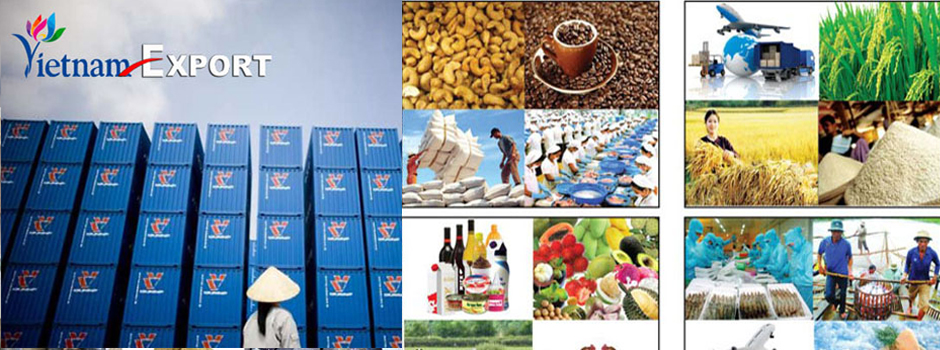
Total foreign trade value stands at $42.36 billion in first half of December
According to preliminary reports from Vietnam Customs, in the first half of December, Vietnam's total import-export value reached approximately $42.36 billion, marking an increase of 10.44% (equivalent to $4.01 billion) compared to the first half of November.
This figure is also nearly 33.85% higher (equivalent to $10.71 billion) than the same period last year, indicating a positive trend in Vietnam's international trade activities.
Cumulatively, from the beginning of the year to December 15, 2025, the country's import-export turnover hit $883.72 billion, up over 18.14% (equivalent to $135.7 billion) compared to the same period in 2024.
In terms of exports, the total export turnover reached $20.2 billion, an increase of 4.94%, equivalent to $950.12 million compared to the first half of November. The improvement in agricultural products and traditional goods has driven the increase in total export turnover.
In the first half of December 2025, textiles, coffee, and high-tech products were the three groups with export values exceeding $1 billion each.
Overall, from the beginning of the year to mid-December, Vietnam's exports reached $451.18 billion, an increase of over $65.33 billion, equivalent to 16.93%, compared to the same period last year.
On the import side, Vietnam recorded a turnover of $222.16 billion in the first half of December, marking an increase of 15.99% or $3.05 billion, compared to the first half of November.
As a result, the country's total import turnover this year as of December 15 reached $432.54 billion, an increase of $70.37 billion (equivalent to 19.43%) compared to the same period last year.
The two groups with the highest increases were computers, electronic products, and components, and machinery, equipment, tools, and spare parts, with increases of $41.26 billion and $11.55 billion, respectively.
In the first half of December 2025, the total export turnover was lower than the import turnover, leading to a temporary trade deficit of $1.96 billion. However, cumulatively from the beginning of the year to December 15, the trade balance still recorded a surplus of $18.64 billion.
vneconomy-Mai Nhi