Vietnam News


NA adopts resolution to address difficulties in land law implementation
The National Assembly on December 11 approved a resolution introducing certain mechanisms and policies to address difficulties and obstacles in implementing the Land Law.
Under the resolution, the State can reclaim land for socio-economic development for three following cases:
The first case involves projects within free trade zones and international financial centers.
The second case pertains to land use for projects where agreements on land use rights have expired or have been extended twice without completion, but agreements have been reached for over 75% of the land area and with more than 75% of land users. In such instances, the provincial People's Council will consider and approve the reclamation of the remaining land area to allocate or lease it to investors.
The third case involves creating land funds to settle projects under Build-Transfer (BT) contracts.
A notable point in the resolution is the compensation mechanism when land acquisition agreements reach the "75%" threshold (second case). If the compensation, support, and resettlement amount per unit area is lower than the average agreed land price, the landowner will receive the difference. Investors will advance the funds to cover the compensation, support, resettlement, and the difference between the average agreed land price and the compensation plan. This difference will be included in the project's investment costs.
Additionally, the resolution mandates that the State compensates for property damage when reclaiming land.
VnEconomy-Đỗ Mến
Vietnam-Japan joint venture plans to invest in smart IP in Ninh Binh
A joint venture between Terra Vietnam JSC and Japan’s Daiwa House Industry has announced plans to invest in the development of a smart, sustainable industrial park in northern Ninh Binh province, aiming to attract both Japanese and international investors.
During a working session with provincial authorities on December 9, representatives of the two companies highlighted their strengths in industrial park infrastructure, logistics, urban development, housing, commercial services, social housing and factory construction.
The proposed industrial park, to be located in Phong Doanh commune, will cover approximately 180 hectares. It will be developed with green and circular infrastructure, including rooftop solar systems, dedicated solar power facilities, rainwater reuse technology, circular wastewater treatment, and ESG-compliant waste management. Smart digital infrastructure will also be integrated throughout the park.
Strategically positioned, the industrial park will offer convenient access to ports, airports, and highways, and will be connected to nearby urban areas and services to meet the needs of professionals and workers. The project aligns with Ninh Binh's orientation toward attracting industries suited to global supply chains and high-tech development.
If approved, construction is expected to begin in 2027.
VnEconomy-Nguyễn Thuấn
Prudential recognized among Top 100 Sustainable Companies in Vietnam for the 9th consecutive year
In the first week of December, Prudential Vietnam received further industry recognition as it was once again listed among the Top 100 Sustainable Companies in Vietnam 2025 (CSI100), marking its ninth consecutive appearance on the ranking. The company was also honoured among the Top 50 Vietnam The Best 2025, underscoring its continued commitment to responsible and sustainable business practices.
The CSI100 awards, organised by the Vietnam Chamber of Commerce and Industry (VCCI) and the Vietnam Business Council for Sustainable Development (VBCSD-VCCI), assess companies based on the Corporate Sustainability Index (CSI). The index evaluates enterprises across a comprehensive set of criteria, ranging from foundational business information and workforce structure to priority issues, three-year business performance, and governance, environmental and social responsibility practices.
Prudential Vietnam’s long-standing presence on the CSI100 list highlights a broad suite of initiatives the company has pursued over the years. In 2025, Prudential continued to strengthen governance, maintain consistent operations, and scale efforts to create long-term value for the community. In the investment sector, the company advanced its sustainable investment agenda through the PRUlink Vietnam Sustainable Development Equity Fund — launched in 2024 as the first unit-linked fund in Vietnam’s life insurance market enabling customers to invest in line with sustainability criteria.
The company is also deepening its involvement in global climate initiatives, partnering with the Earth Observatory of Singapore (EOS) under the Climate Impacts Initiative. Internally, Prudential has rolled out a series of emission-reduction measures aligned with circular-economy practices, including piloting rooftop solar installations, upgrading to LED lighting, switching off equipment outside working hours, and optimising electricity usage. The company promotes greener commuting via employee shuttle buses and encourages waste reduction through structured recycling systems, battery collection drives, and ongoing internal communications on energy conservation. These efforts reflect Prudential’s commitment to green operations and its ambition to empower employees as part of its Net Zero 2050 roadmap.
On the community front, Prudential continues to implement CSR programmes with a total budget exceeding VND 325 billion and more than 600,000 beneficiaries since 2011. Key initiatives include Prudential – Trao Gui Yeu Thuong (emergency disaster relief), the PRUVolunteers programme organised by the Prudence Foundation, and long-term projects such as Safe Steps Kids Road Safety (Den Truong An Toan) and Cha-Ching, a financial education programme for children. Through its combined efforts across sustainable investment, transparent governance, human development and community outreach, Prudential is contributing meaningfully to Vietnam’s broader sustainability agenda.
Prudential named among the Top 50 Vietnam The Best 2025Beyond its sustainability achievements, Prudential remains the only foreign life insurer included in the Top 50 Vietnam The Best under the VNR500 ranking — Vietnam’s Top 500 Largest Enterprises — compiled by Vietnam Report and Vietnamnet since 2007. The list recognises large-scale enterprises for strong business performance, economic contribution and notable influence in both domestic and international markets.
Prudential’s VNR500 ranking reflects its solid financial standing and operational efficiency. As of June 2025, the company reported total assets of VND192,507 billion, including investment assets of VND173,182 billion, a year-on-year increase of 3 per cent, alongside a solvency margin ratio of 206 per cent.
With stable operations and a sustained focus on customer-centricity, Prudential continues to advance its sustainability agenda while fully meeting the evaluation criteria of the VNR500. These accomplishments further strengthen its position as one of Vietnam’s pioneering life insurance providers.
-
HCM City targets becoming one of top three localities in digital transformation by 2030
Ho Chi Minh City has set a goal of becoming one of the top three localities nationwide in digital transformation by 2030, under a comprehensive strategy aimed at building a modern, highly competitive city with strong international integration.
Under the strategy, the city will synchronously develop its digital infrastructure, ensuring 100% 5G coverage, completing the City Data Center and connecting it with the National Data Center. All administrative procedures will be fully digitized, with at least 85% of documents processed online and 80% of databases digitized and interconnected.
To complete its digital governance framework, Ho Chi Minh City will implement several key initiatives, including the planning of passive telecommunications infrastructure, the AI Strategy for 2025–2030, and the Digital Economy Development Program for 2026–2030.
Digital infrastructure development remains a top priority. The city will expand 5G networks, strengthen international transmission systems, and build super-large data centers. It will also study the establishment of a supercomputer center to support AI research and development.
Human resource development is also a core component of the strategy. The city will roll out training programs to improve digital skills for officials, civil servants, and workers in industrial parks and export processing zones.
In terms of digital data development, Ho Chi Minh City will accelerate the implementation of its data governance strategy, focusing on three major data groups: population, finance–business, and land–urban management. The city will also build an open data ecosystem and maintain strong connectivity with national databases.
The development of digital government is another central pillar, with a focus on enhancing the effectiveness of the administrative procedure resolution information system and expanding the application of AI in state management.
VnEconomy-Hồng Vinh
Crypto asset trading market management board established
Under the Finance Minister’s Decision, a Management Board for the crypto asset trading market has been established, the State Securities Commission (SSC) announced on December 10.
Amid rapid global digital transformation, crypto assets are growing quickly and are increasingly becoming an integral component of the digital economy. According to the SSC, the establishment of the Management Board is a timely move that aligns with global trends and regulatory requirements, while helping to better protect investors and safeguard national financial security.
The new body is expected to contribute to building a stable, transparent, and secure crypto asset market in Vietnam.
At the announcing event, SSC Chairwoman Vu Thi Chan Phuong urged the new board to swiftly begin researching, developing, and finalizing the legal framework and policy mechanisms related to crypto assets; actively learn from international practices; strengthen market monitoring and analysis capacity; and provide responsible, transparent advice in selecting qualified enterprises to participate in crypto asset trading in Vietnam.
VnEconomy-Hạ Chi
Hanoi attracts $4.12 bln in FDI in 11M
Hanoi attracted $4.128 billion in foreign direct investment (FDI) during January-November, 2.3 times higher than the same period in 2024, making the capital city among the strongest magnets for FDI nationwide, according to a report from the Government News.
Of the figure, $333 million have been registered for 404 new projects; $3.308 billion belonged to increased capital for 137 adjusted projects; and $487 million were from 380 instances of foreign investors contributing capital or buying shares.
In November only, the capital city attracted $395.7 million in FDI, including 50 newly licensed projects with total registered capital of $14 million; 13 adjusted projects with $170.7 million; and 37 instances of capital contributions and share purchases amounting to $211 million.
During the reviewed period, key investors in Hanoi came from Malaysia, Singapore, Japan, South Korea, China, and Taiwan (China).
Government News-Khánh Vân
NA approves amendment allowing public employees to invest in and run businesses
The National Assembly has approved the revised Law on Public Employees, which will take effect on July 1, 2026.
This law outlines the State's policy to develop a team of public employees with professional ethics, appropriate qualifications, and expertise for each sector. Public employees are required to undergo regular training to enhance their professional skills to meet job requirements. The State also promotes the integration of human resources between the public and private sectors.
The law ensures fair and competitive salary policies for public employees, linked to job positions and work efficiency.
According to Minister of Home Affairs Do Thanh Binh, the Government has revised certain aspects to shift the management of public employees based on job positions, which will serve as the primary basis for recruitment, placement, evaluation, planning, appointment, training, and policy implementation.
The law also refines regulations on labor contracts and service contracts, including provisions for contract termination, to align with the Labor Code. Public employees will receive salaries, bonuses, and other income based on job performance. They are entitled to overtime pay, night work pay, travel allowances, and other benefits as per legal and internal regulations.
Special policies are in place for public employees working in remote, mountainous, border, island areas, or in hazardous, dangerous, and specific professional fields. The law also clarifies the obligations and rights of public employees in professional activities outside public institutions, ensuring no conflict of interest as per anti-corruption laws.
Public employees can engage in private practice if not prohibited by law, ensuring no conflict of interest and adherence to professional ethics. Notably, they are allowed to invest in, manage, and operate businesses, cooperatives, hospitals, educational institutions, and non-public research organizations, except where restricted by anti-corruption, business, or sector-specific laws.
Minister Binh emphasized that allowing public employees to sign labor and service contracts for professional activities aims to institutionalize the integration of human resources between the public and private sectors, enabling public employees to increase their legitimate income through their professional activities.
Vneconomy-Nhật Dương
Facilitating FDI listings: a key step toward stock market upgrade
Although the FDI sector is consistently regarded as a vital engine for Vietnam's economic growth and exports, its presence on the stock market remains inversely proportional to its actual scale.
Citing data at a conference held on December 9 to disseminate regulations on public company registration, listing, and trading for foreign-invested economic organizations, Ms. Vu Thi Chan Phuong, Chairwoman of the State Securities Commission (SSC), noted that the market welcomed several FDI listings between 2003 and 2017. However, as of now, only 10 FDI enterprises maintain their listing and trading registration on both stock exchanges.
When compared to the nearly 1,600 companies currently listed and registered for trading across the entire market, this figure of 10 enterprises is extremely modest. According to data from the Public Company Supervision Department, the total share volume of this group stands at only about 1.2 billion units, equivalent to a mere 0.17% of the total market.
"This scale does not accurately reflect the potential of these enterprises. I am aware of many FDI companies that have been present and operating factories in Vietnam for many years, boasting excellent revenue and profits, while also harboring a strong desire to list on the Vietnamese stock market," Ms. Phuong said.
One of the strategic objectives of "opening the door" for FDI enterprises to list is to restructure sectoral weightings. Currently, Vietnam's stock market structure is heavily skewed toward the finance, banking, and real estate sectors. The scarcity of large-scale manufacturing enterprises is a weakness that needs to be addressed.
"I have high hopes that a 'fresh breeze' from large-scale, efficiently operating FDI enterprises will increase the supply of quality investment products for investors. Consequently, the proportion of listed companies in the manufacturing and business sectors will rise, creating a more balanced and sustainable market structure," said the SSC leader.
Facilitating conditions for listed enterprisesTo realize this vision, the SSC has proactively coordinated with ministries and sectors to remove regulatory bottlenecks. To date, with approval from the Government and the Ministry of Finance, the legal corridor is gradually being cleared to continue considering FDI enterprises for listing.
The most significant highlight of this institutional reform is the introduction of new regulations, such as the Decree amending Decree 155, which details the implementation of several articles of the Law on Securities. This represents a breakthrough in administrative procedures.
Previously, the "listing" process for enterprises often faced a "bottleneck" between two stages: the Initial Public Offering (IPO) and the Listing. After receiving IPO approval from the SSC, enterprises often had to wait a long time for listing approval from the Stock Exchanges. This delay led to two negative consequences: enterprises lost business opportunities, and investor excitement and the appeal of the issuance were diminished.
To address this issue, new regulations have shortened the coordination process between the SSC and the Stock Exchanges to within just 30 days, requiring enterprises to provide explanations only once.
The effectiveness of this reform is evident: recently, 4-5 enterprises have completed their IPOs, and it is expected that about 3 enterprises will list on HoSE this December. Notably, some enterprises completed the process in less than 30 days. Shortening the document preparation time and ensuring seamlessness and synchronization not only improves capital mobilization efficiency but also maximizes convenience for investors accessing opportunities.
The consistent stance on equal treatment between domestic and FDI enterprises was also affirmed by Vice Chairman of the SSC, Hoang Van Thu. He stated that, in the spirit of Politburo Resolution 50-NQ/TW, FDI enterprises are an integral component of the economy.
Therefore, once restrictive regulations in investment certificates are removed, FDI enterprises can fully participate in the stock market if they meet the conditions under the Law on Securities, just like Vietnamese enterprises, said Mr. Thu.
Vneconomy-Anh Nhi
Foreign investors exempt from asset and income declaration as new Anti-Corruption Law passes
The National Assembly (NA) on December 10 passed a law amending and supplementing certain articles of the Law on Anti-Corruption, expanding the scope of individuals required to declare assets and income within State-owned enterprises.
The Law will take effect on July 1, 2026.
During the discussion process, many NA deputies supported expanding the scope of declaration from enterprises with 100% State capital to those where the State holds more than 50% of the charter capital.
However, some delegates requested clarification regarding the feasibility of the regulations and the specific subjects required to declare, particularly in cases involving foreign participation in management. The Government subsequently submitted a report explaining, absorbing feedback, and revising the draft law.
According to the Government's report, mandating that individuals assigned to manage and operate a State-owned enterprise which holds more than 50% of its charter capital declare their assets and income is appropriate. This aligns with current anti-corruption requirements and ensures consistency with the Law on Enterprises and the Law on Management and Use of State Capital Invested in Production and Business at Enterprises.
Based on this regulation, the Government will specify that those required to declare assets and income at State-owned enterprises include direct ownership representatives, representatives of State capital, and certain titles and positions within the enterprise. Crucially, this requirement excludes foreign nationals or individuals from the non-state sector.
Notably, the Government has absorbed feedback and provided explanations regarding regulations on "asset values and income levels requiring declaration and supplementary declaration."
Specifically, the threshold for declaration has been raised from VND50 million (nearly $1,900) to VND150 million (nearly $5,700), while the threshold for supplementary assets and income fluctuations within the year has increased from VND300 million (nearly $11,400) to VND1 billion (nearly $38,000).
According to the Government, these adjustments are based on two factors. First, there have been three salary increases since 2018. Second, socio-economic conditions have developed nearly threefold, with market prices, in particular, seeing significant increases compared to 2018.
Regarding "digital assets," as current laws lack comprehensive regulations, they have not yet been included in the draft law.
The Government has assigned the Government Inspectorate to coordinate with the Ministry of Finance and relevant agencies to continue researching and proposing regulations once sufficient legal grounds are established and during the comprehensive amendment of the Law on Anti-Corruption.
VNeconomy-Đỗ Mến
ACB unveils timely financing as Vietnam’s textile and garment industry braces for headwinds
ACB is once again positioning itself as “the right partner at the right time,” rolling out a specialized financial solution package for Vietnam’s textile and garment industry as the sector navigates a turbulent 2025 that nevertheless delivers notable gains in both domestic and export performance.
By year-end, Vietnam’s textile and garment export turnover is estimated at $46 billion, a 5.6 per cent increase from 2024. The US remains the industry’s largest market, while Vietnam continues to rank among the world’s top three textile and garment exporters. A trade surplus of $21 billion highlights the sector’s critical contribution to the national trade balance. Adding to that momentum, the domestic value-added rate has climbed to roughly 52 per cent, reflecting improving self-sufficiency in raw materials, a long-standing structural challenge.
The importance of stable capital flows
The industry’s outlook underscores the importance of stable capital flows as Vietnam steps into an increasingly competitive global arena. With a “quality-first” strategy complemented by political and macroeconomic stability, the country continues to secure trust and orders from demanding markets.
At ACB’s October conference, “Textile Garment Industry – Supply Chain: Solutions Amid Volatility,” Mr. Vu Duc Giang, Chairman of the Vietnam Textile and Apparel Association (VITAS), stressed the essential role of credit institutions in helping Vietnamese enterprises accelerate growth, seize market opportunities, and remain resilient amid global economic fluctuations.
According to ACB Deputy CEO Ngo Tan Long, the bank has provided dedicated support to the textile and garment industry for years and is expanding its financing portfolio for 2025–2027. “We understand the specific characteristics of the industry, so we have designed tailored financing options which include unsecured lending based on cash flow with credit limits up to twice the borrower’s equity, and medium- to long-term credit frameworks that allow enterprises to invest in machinery without undergoing repeated assessments,” he said.
VITAS maintains that “Greenization – Digitalization” will be the industry’s strategic direction for 2026, helping enterprises strengthen internal capacity and elevate competitiveness as sustainable and eco-friendly fashion gains global traction. In alignment with that shift, ACB has allocated VND5 trillion through its Green Credit Package, offering interest rates 2–3 percentage points lower than conventional loans.
As export targets rise for 2026, ACB reports strong demand for its exchange-rate and interest-rate hedging tools, along with cost-optimized international payment services. The bank says 70–80 per cent of its online trade finance and international payment processes are now automated, significantly reducing processing times and improving convenience. All solutions are developed and recommended based on each enterprise’s practical needs.
Textiles: A continuing FDI magnet
Data from the Department of Vietnam Customs show that in the first 10 months of 2025, textiles and footwear ranked among the top six export groups of FDI enterprises in Vietnam, generating $36.5 billion in export value. The textile and garment sector remains a major draw for investors from South Korea, Taiwan, China, Hong Kong, Japan, and India, with more than 3,000 projects operating nationwide.
ACB provides financial solution packages tailored to the practical needs of textile and garment enterprises.To ensure this large capital inflow is effectively deployed, and to reinforce Vietnam’s position in the global textile supply chain, ACB offers stage-specific financial solutions to help FDI enterprises integrate smoothly into the local business environment. These include advisory and payment support at the establishment stage; import financing and guarantees during factory construction; trade finance, medium- and long-term credit, and cash-flow management during production; and preferential international payment fees, foreign-exchange products, flexible credit, and ERP connectivity during expansion. ACB’s multilingual teams, specializing in English, Chinese, and Korean, help investors shorten administrative procedures and adapt more easily to Vietnam’s market conditions.
ACB representatives say the bank is also working with corporate clients to plan year-round financial strategies for 2026. Many businesses have production schedules fully booked through the first quarter and are negotiating orders for the second. In provinces affected by severe storms and flooding in northern and central Vietnam, ACB is offering preferential lending to support post-disaster reconstruction and maintain manufacturing continuity.
With financial solutions designed specifically for both domestic and foreign enterprises in the textile and garment sector, ACB affirms its confidence and commitment to meeting the industry’s development needs under any market conditions.
For more information on financial solutions for textile and garment enterprises, visit ACB branches and transaction offices nationwide or contact the 24/7 Contact Center at +84 28 38 247 247.
-
National Assembly approves Vietnam's first AI law
The National Assembly officially passed the Law on Artificial Intelligence (AI) with 429 out of 434 participating delegates (90.70%) voting in favor, on the afternoon of December 10.
Effective from March 1, 2026, the Law on AI is Vietnam's first piece of legislation to comprehensively regulate the development, application, and governance of AI.
With a high approval rate, the National Assembly affirmed strong consensus on the necessity of enacting the Law on AI. This legislation is considered a landmark achievement, establishing a pioneering legal framework to help Vietnam catch up with global AI development trends and enhance national competitiveness in the digital era.
Comprising 35 Articles, the Law is designed with a "management for development" approach, ensuring a balance between risk control and the promotion of innovation. It aligns with international practices and supports Vietnam's active integration with new technological standards.
Crucially, the Law establishes a human-centric approach, stipulating that AI is to serve humans, not replace them, and must be subject to human oversight in critical decision-making processes.
The Law lays the foundation for AI autonomy—spanning computing infrastructure, data resources, and research capabilities—enabling Vietnam to build an AI workforce strong enough to compete internationally. It authorizes State investment in a national AI computing center and the development of a controlled open data system. These directives are expected to reduce computing costs, remove market entry barriers, and foster a more competitive and transparent AI ecosystem.
The legislation also introduces provisions to accelerate AI development, such as establishing a National AI Development Fund, deploying an "AI Voucher" mechanism to support business adoption, and creating a regulatory sandbox for sensitive AI solutions. These are critical tools to mitigate risks, lower testing costs, and enable technology enterprises—particularly high-tech startups—to pilot sensitive AI applications in an environment exempt from specific legal liabilities.
Simultaneously, the Law addresses emerging issues such as AI-generated content, algorithmic ethics, and the responsibilities of cross-border AI service platforms. This paves the way for Vietnam to integrate more deeply with international standards while maintaining digital sovereignty.
A key component of the Law is its risk-based management approach. Accordingly, AI systems will be classified based on their level of impact and potential danger, with corresponding legal obligations assigned to each category. Applications posing high risks to the legal rights and interests of organizations and individuals (in sectors such as finance, healthcare, justice, labor, and education) will be required to meet stricter standards regarding data, verification, supervision, and human intervention mechanisms. This approach strikes a balance between two objectives: encouraging AI innovation and controlling potential social implications.
Alongside technological and regulatory provisions, the Law places significant emphasis on human resource development. It mandates the formulation of a long-term National AI Workforce Strategy, the integration of basic AI knowledge into general education curricula, and encourages universities to establish new majors, expand academic autonomy, and attract international experts. This national program is poised to build a high-quality pool of AI experts and engineers for the future.
Vneconomy-Hạ Chi
Da Nang allocates over $340 mln for North-South High-Speed Railway site clearance
The Da Nang People's Committee has issued Decision No. 2868/QĐ-UBND, approving Component Project 1: Compensation, support, and resettlement serving the North-South High-Speed Railway project, specifically the section from the Thu Bon River to the city's northern boundary.
The component project has a total investment capital of nearly VND9 trillion (over $341 million).
The North-South High-Speed Railway route passing through the Da Nang territory spans over 116 km, crossing the central city's 24 communes and wards. For the implementation of the project, the city plans to acquire over 866 ha of land, arrange approximately 5,100 resettlement lots, and construct 34 resettlement areas and 13 cemeteries.
Accordingly, the objective of Component Project 1 is to carry out compensation, site clearance, and the relocation of affected technical infrastructure. Simultaneously, it involves investing in the construction of resettlement areas and cemeteries to meet the new housing needs of affected residents, ensuring the legal rights of households with acquired land, and contributing to stabilizing livelihoods and maintaining social security.
Vneconomy-Phương Nhi
NA discusses encouraging public and private investment in small modular reactors
The 15th National Assembly deputies on December 8, discussed the draft Resolution on mechanisms and policies for national energy development for the 2026-2030 period. A key topic raising interest among deputies was the proposal to encourage both State-owned and private enterprises to participate in the research and investment of Small Modular Reactors (SMRs).
According to deputy Trinh Thi Tu Anh of Lam Dong province, Vietnam is entering a period of extensive energy transition. Meanwhile, the demands for ensuring energy security, reducing emissions, and maintaining high economic growth are becoming increasingly urgent. These challenges require long-term strategic choices, among which SMRs represent a direction worth considering that aligns with Vietnam's specific conditions.
"SMRs offer advantages such as flexible scaling and small-to-medium capacity. They can be deployed in modular forms with shorter construction times, ensuring high passive safety standards. They are particularly suitable for replacing or phasing out old coal power sources or supplementing stable baseload capacity for the national grid," she said.
Globally, SMRs are no longer merely experimental projects. Many countries have already commercialized the technology or are advancing rapidly, including the US, Canada, France, and the UK. Several Asian nations with conditions similar to Vietnam are also selecting SMRs for use in areas with weak infrastructure, islands, and remote regions.
A common trend among these nations is that the investment burden is not placed solely on the State. Instead, they mobilize participation from energy corporations, manufacturing industries, and environmental technology firms.
Given this reality, Ms. Anh expressed her support for regulations encouraging State-owned and private enterprises to participate in the research and investment of SMRs, noting that this opens up a mechanism far more flexible than traditional approaches.
"In the past, nuclear power was almost exclusively a State undertaking, characterized by massive project scales, long investment timelines, and extremely strict technical requirements. With SMRs, the new approach allows for the mobilization of technical innovation, increased localization capabilities, and technological autonomy," the deputy emphasized.
This sector requires vast resources, high technology, and a long-term supply chain, therefore, relying solely on the state budget makes it impossible to create a modern nuclear industrial ecosystem. Mobilizing both State-owned and private enterprises will help diversify resources, share risks, and promote innovation.
Furthermore, she noted that many countries have proven the high efficiency of the public-private model. Private enterprises possess investment drive and the ability to access technology quickly, while state-owned enterprises play a leading role, ensuring security, safety, and strategic direction. This synergy helps shorten the time required for research, testing, and project deployment.
"Encouraging enterprises to research and invest in SMRs also means opening opportunities to establish a domestic module manufacturing industry, creating high-quality jobs, and elevating Vietnam’s scientific and technological position within the global nuclear value chain," she added.
Piloting before expanding SMRs
However, the deputy argued that SMR development must be contingent on three conditions: safety, responsibility, and transparency. Nuclear power always demands the highest standards of safety, security, and risk management. Encouraging enterprise participation does not mean "opening the door completely," but rather proceeding based on three key pillars.
First, a specific legal framework for SMRs must be established, covering design licensing, technology appraisal, operational supervision, and radioactive waste control.
Second, clear requirements regarding financial capacity, technological capability, and environmental responsibility must be set for every participating enterprise, ensuring the State retains the ultimate controlling role.
Third, implementation must be cautious and follow a roadmap—starting with research, testing, and demonstration projects—accompanied by thorough social and environmental impact assessments and transparent public consultation.
"Encouragement does not mean laxity; it means creating a legal corridor for capable entities to genuinely develop new technologies, while the State retains the role of supreme regulator and supervisor," Ms. Anh said.
Agreeing with this view, deputy Nguyen Thi Lan of Hanoi stated that selecting SMR technology is appropriate for the current period. However, the immediate goals should focus on serving research, training human resources, and gradually mastering the technology, rather than expecting immediate short-term economic returns.
Therefore, the initial phase requires State leadership.
She recommended a cautious approach: only after Vietnam has accumulated sufficient experience, ensured safety controls, perfected the legal framework, and mastered core technologies should the scale be gradually expanded to attract private investment. A roadmap moving from small to large modules is a prudent approach that aligns with international practices and Vietnam's practical conditions.
Sharing the perspective on the need for caution in SMR investment, deputy Pham Van Hoa of Dong Thap province emphasized that this field harbors potential high risks regarding the safety of life and property should an incident occur. Therefore, he suggested that only pilot implementation be permitted initially.
Furthermore, he argued that the current regulations encouraging State and private enterprises to participate in research and investment are still too general, and the drafting agency needs to clarify this content.
Deputy Nguyen Thi Le Thuy of Vinh Long province noted that expanding participation to the private sector as currently stipulated in the draft Resolution is merely a general encouragement lacking a specific policy framework.
"Energy is the lifeblood of the economy. In the context of the approaching Net Zero 2050 commitment and increasing power demand, we need 'pushes' that are bold yet scientific. SMRs represent an opportunity for Vietnam to both ensure energy security and gradually master high technology," she said.
Vneconomy-Nhĩ Anh
Transitioning economic growth model for annual double-digit GDP growth in 2026-2030
The National Institute of Economics and Finance (NIEF), under the Ministry of Finance, on December 10 organized a scientific conference titled "Establishing an Economic Growth Model Linked to Restructuring Vietnam's Economy for the 2026-2030 Period."
The event, which saw participation from domestic economic experts, representatives from international organizations, and management agencies, served as a forum to shape the theoretical and practical basis for the country's economic development directions in the 2026-2030 period.
It also proposed breakthrough solutions to innovate the growth model and comprehensively restructure the economy, thus contributing to turning Vietnam into a high-growth economy.
Economic Restructuring Results for 2021-2025Evaluating the situation and results of the five-year implementation of Resolution No. 31/2021/QH15 of the National Assembly (Resolution 31) on the Economic Restructuring Plan for 2021-2025, NIEF's report acknowledged that the plan has been executed amidst an unprecedentedly changing and complicated context, regionally and globally. Intense trade and strategic competition among major countries, armed conflicts, and escalating geopolitical tensions have significantly impacted global economic growth and the macroeconomic environment. Particularly, the prolonged and profound effects of the Covid-19 pandemic have affected all aspects of socio-economic life.
Domestically, despite advantages such as a stable political foundation and strengthened macroeconomics, the economy faced numerous challenges from both external factors and internal issues. However, with the decisive involvement of the entire political system and the extraordinary efforts of the people, the country overcame difficulties and continued to achieve important, comprehensive development results, with many outstanding highlights compared to the world and the region.
Resolution 31 set out 27 targets, of which 23 have been evaluated. Among them, 10 are likely to be achieved, 9 are unlikely to be achieved, and 4 are projected not to be achieved. Some targets, such as labor productivity growth, the number of enterprises, and the proportion of spending on science and technology, face significant challenges and require substantial efforts to achieve.
For the 2021-2025 period, the government issued Resolution No. 54/NQ-CP outlining 102 tasks. To date, 86 out of 102 tasks have been completed (accounting for 84.3%). However, some limitations and shortcomings have prevented the economic restructuring plan from achieving the expected results. These include slow progress in institutional and policy reforms, economic structure and growth model improvements. As a result, no significant changes recorded, while the lack of strong productivity shifts in economic sectors remained, especially in industry and services. The restructuring of state-owned enterprises and public service units has been slow and has not met expectations.
The causes of these limitations include the unstable global economic context, legal system constraints, slow amendment progress, cumbersome administrative procedures, and unresolved decentralization and delegation issues.
Moving Towards Deep Growth: The Role of TFP and TechnologyTo overcome these limitations and achieve the ambitious growth targets, experts at the conference emphasized the need to gradually abandon the extensive growth model, which relies heavily on capital and resources. Instead, the focus should be placed on an intensive growth model, with science and technology, innovation, and digital transformation as the main drivers.
Experts agreed that for Vietnam to achieve an annual double-digit GDP growth target (10% or more) in the 2026-2030 period, economic restructuring must be fundamentally and comprehensively implemented. Dr. Can Van Luc, an economic expert, suggested that public investment capital should be used effectively during the 2026-2030 period.
Proposing breakthrough solutions and policy recommendations, Associate Professor Dr. Le Xuan Ba emphasized the need for a stronger transition in the economic growth model, focusing on further increasing the contribution of Total Factor Productivity (TFP). TFP includes various factors such as institutions, national governance, corporate governance, and science and technology. Therefore, Dr. Ba recommended that the current priority is to improve institutions, create a transparent legal framework, and strongly promote new economic models, especially the private sector, to maximize its role as a growth driver.
Regarding breakthrough solutions in science, technology, and productivity, the expert proposed strategic investment programs in Research and Development (RD) and high-tech applications, thereby significantly increasing TFP's contribution to economic growth. Particularly, restructuring should focus on high-value-added sectors, especially high-tech manufacturing and processing industries.
Simultaneously, there should be a strong push for the development of the green economy, digital economy, circular economy, and data economy. This model requires quantifiable measurement indicators, ensuring macroeconomic safety and deep participation in the global value chain.
Concerning capital and labor factors, according to Dr. Can Van Luc, in the upcoming period, it is necessary to enhance investment attraction while using it more effectively. This includes increasing public investment in transportation and energy infrastructure to create spillover effects and promote double-digit growth in the coming period.
vneconomy-Ngan Ha
Vietnam, Sri Lanka boost economic ties
The third meeting of the Vietnam–Sri Lanka Joint Sub-Committee on Trade was held in Colombo (Sri Lanka) on December 9.
The meeting was co-chaired by Vietnam’s Deputy Minister of Industry and Trade Phan Thi Thang and Sri Lanka’s Deputy Minister of Trade, Food Security and Development Cooperation K.A. Vimalenthirarajah.
Speaking at the meeting, Deputy Minister Phan Thi Thang highlighted the positive progress in Vietnam–Sri Lanka trade relations in recent years.
The two sides reviewed and assessed the implementation of the commitments made at the second meeting, while noting the continuous improvement in bilateral trade turnover.
Both sides agreed that there remains substantial potential and demand for further cooperation, particularly as the trade structures of the two economies are highly complementary.
Within the framework of the meeting, the two sides held extensive discussions across a wide range of priority cooperation areas.
On trade facilitation, both sides agreed to strengthen technical dialogue on customs, standards and regulations, and non-tariff measures, helping businesses of both countries reduce compliance costs and improve market access.
On rice trade cooperation, Vietnam affirmed its stable supply capacity and diverse rice varieties, and proposed considering the development of a memorandum of understanding (MoU) on rice trade cooperation for food security.
In the textile–garment and footwear sector, Sri Lanka proposed cooperation under the EU’s Generalized System of Preferences (GSP) framework on rules-of-origin cumulation. Vietnam took note of the proposal and expressed willingness to enhance cooperation in training, design, product development, and supply chain connections.
In the fisheries sector, Sri Lanka expressed its interest in strengthening technical cooperation and importing raw materials for processing; Vietnam, in turn, proposed that Sri Lanka expand the list of approved products and simplify quarantine procedures.
Sri Lanka also expressed its desire to attract Vietnamese businesses to invest in infrastructure, energy, information and communication technology (ICT), electrical–electronic industries, agricultural processing, logistics, and supporting industries. The two sides further discussed cooperation in 3D printing technology, quality inspection, software and digital transformation, Ayurvedic medicine, and others.
The two sides also agreed to explore the possibility of opening a direct air route between Colombo and Hanoi/Ho Chi Minh City to promote trade, investment, and tourism in the coming period.
At the conclusion of the meeting, Deputy Minister Phan Thị Thang and Deputy Minister K.A. Vimalenthirarajah signed the Minutes, providing the basis for implementing cooperation activities in the time ahead. Both sides agreed to hold the fourth meeting in Hanoi, with the specific timing to be arranged through diplomatic channels.
Moreover, both sides will also work closely to effectively implement the agreed initiatives, support businesses in deepening their integration into regional and global supply chains, and move toward the goal of raising bilateral trade to $1 billion.
According to Ministry of Industry and Trade (MoIT), Vietnam ranks 48th among Sri Lanka’s export destinations and 17th among its import sources. In 2024, Sri Lanka’s exports to Vietnam reached $40.09 million, up 10 per cent year-on-year; while Sri Lanka’s imports from Vietnam amounted to $238.81 million, up 27 per cent year-on-year.
Vietnam’s imports from Sri Lanka include knitted fabrics, yarn, animal feed, rubber, textiles and garments, and tea packages.
Vietnam’s exports to Sri Lanka consist of yarn, knitted fabrics, basic metals, woven fabrics, phones, electronic equipment and components, and rubber.
vneconomy-Phuong Nhi
Vietnam’s broader vision for semiconductor space
Coherent, a global semiconductor giant with operations spanning 117 locations in 25 countries and territories, has been steadily deepening its footprint in Vietnam and now employs some 2,000 people in the country, a figure that Mr. Steve Rummel, Senior Vice President of Engineered Materials at the Coherent Corporation, expects “to grow to more than 6,000 by fiscal year 2028.” He credits this ambitious growth to Vietnam’s increasingly dynamic industrial ecosystem - a blend of the government’s competitive incentive policies, proactive local support, and the rollout of modern, green, and energy-efficient industrial parks.
As more leading global corporations set up operations in Vietnam, demand for advanced manufacturing capacity, technical expertise, and a robust supporting ecosystem is rising sharply. For businesses around the country, this wave of transformation presents not just a challenge but also a defining opportunity - to step into the high-tech arena and move beyond the boundaries of traditional manufacturing.
Semiconductors on the rise
Mr. Rummel pointed to what he called a “crucial factor” behind Coherent’s long-term commitment to Vietnam - the country’s strengthening protection of intellectual property. “This is absolutely essential for us, as much of Coherent’s core process lies in proprietary know-how,” he explained. “In our more than 20 years of operations in Vietnam, many of our innovations and breakthroughs have come from our local teams.”
Coherent first set foot in Vietnam in 2005, with a facility at the VSIP Industrial Park in southern Binh Duong province (now part of Ho Chi Minh City). From that modest start, its operations expanded rapidly. In 2024, the company launched a new facility in neighboring Dong Nai province - a VND3 trillion ($115 million) investment completed in just 18 months - to strengthen its semiconductor manufacturing capacity. The 47,000 sq m plant currently employs around 200 people and will continue to expand as new product lines come into being.
Building on Vietnam’s maturing industrial ecosystem and a rising generation of skilled engineers, Coherent has broadened its scope beyond its original manufacturing base. Today, it produces everything from silicon carbide substrates for semiconductors and precision opto-mechanical assemblies to ceramic components used in chip-making equipment. “These products demand highly-specialized skills, such as laser machining, ultrasonic processing, and diffusion bonding,” Mr. Rummel said. “That’s why we are partnering with universities to develop tailored training programs that cultivate a new generation of top-tier engineers.”
He emphasized that this collaboration is part of a broader vision. “Coherent is deeply intertwined with Vietnam’s semiconductor ecosystem and will continue to invest strongly to grow alongside the country’s development,” he affirmed.
Meanwhile, Mr. Samson Khaou, Executive Vice President, Asia-Pacific, at Dassault Systèmes, noted that the French technology powerhouse has been present in Vietnam for two decades through its partner network. In 2022, just after the pandemic, the company established an official office in Vietnam - “a decision rooted in our confidence in the country’s vision and growth strategy,” he said. “The next chapter in our journey is to help shape what we call the ‘generative economy’, where the real and virtual worlds converge, powered by generative AI.”
Under this new model, he continued, value creation shifts from physical products to immersive, software-defined experiences. He believes businesses will move from linear operations to “generative enterprises”, where human and virtual workforces collaborate seamlessly with AI assistants.
Dassault Systèmes sees 3D universes - safe virtual environments where companies can design and test digital twins of products, processes, or even entire factories - as a foundation for the next wave of industrial innovation. “We aim to lead the world in industrial AI, and Vietnam’s AI vision aligns perfectly with our global strategy,” Mr. Khaou said. “That’s why we are committed to being a long-term, trusted partner of Vietnamese industries.”
Becoming a tech gateway
Another major semiconductor equipment maker, BE Semiconductor Industries (Besi), has also placed Vietnam on its global map. Specializing in backend semiconductor equipment and expanding into the frontend segment, Besi began building its manufacturing capacity in Vietnam two years ago, complementing its hubs in Malaysia and China. According to Mr. Henk Jan Jonge Poerink, Senior Vice President for Global Operations at Besi, Vietnam’s emergence marks a significant opportunity for local companies to plug deeper into the global semiconductor supply chain.
Besi’s operating model is highly specialized: research and development (RD), along with new product design, are based in Europe in three main centers; maintenance engineering is carried out in Singapore; and all manufacturing is concentrated in Asia, now including Vietnam. This expansion reflects the growing demand in the semiconductor industry, where equipment spending is projected to surpass $1 trillion over the long term.
According to Mr. Poerink, to join Besi’s supply chain, Vietnamese companies must meet two key areas of capability: manufacturing and technical expertise. Suppliers must be able to design modules, conduct rigorous testing, use materials to exact standards, manufacture precision mechanical parts and cables, and manage a flexible supply chain. Every module delivered to Besi must pass strict inspection before approval.
These complex systems demand suppliers with advanced technical skills and internationally-compliant manufacturing standards. The company’s strategy in Vietnam will follow a phased approach: starting with specialized tooling, then producing key components, and ultimately assembling complete systems for both domestic and global markets. This approach underscores the strong demand for local suppliers capable of meeting global technical and quality standards and willing to invest in precision technology; a critical step in positioning Vietnam as a strategic link in the global semiconductor equipment value chain.
Global semiconductor companies place similar requirements on their partners in Vietnam. Mr. Yang Tong, Senior Director, Supplier Account Management, Global Supply Chain, at Applied Materials, said that to become a supplier, companies must meet the sector’s exceptionally high standards, which demands precision, speed, and reliability far beyond most others.
Applied Materials operates large-scale production facilities in the US and Singapore, with additional plants in Germany, Israel, Italy, South Korea, and Taiwan (China). The company generates some $27 billion in annual revenue, invests 10-15 per cent in RD, and employs 35,000 people in 24 countries and territories. Mr. Tong explained that its multi-tiered, highly-specialized supply chain requires partners capable of ultra-precision machining, component handling and packaging in Class 100 cleanrooms, and high-speed operations that fully comply with technical standards.
Its equipment is made up of thousands of components, so precision in every detail isn’t just an advantage it’s the minimum requirement to ensure quality and reliability, Mr. Tong added.
Speaking to Vietnam Economic Times / VnEconomy, Mr. Clark Tseng, Vice President of Market Intelligence at SEMI, said that as Vietnam’s chip design capabilities develop, corresponding manufacturing capabilities will naturally follow. He believes that Vietnam’s infrastructure is fairly strong compared with other emerging markets but stressed that the government must continue investing. “Good infrastructure creates the right environment to attract more foreign investment, especially in semiconductor manufacturing,” he said, adding that this will further improve the overall ecosystem.
Experts emphasize that to meet the demands of global semiconductor companies, Vietnam must continue investing in ultra-precision manufacturing, advanced surface processing, strict cleanroom management, and specialized material supply chains. For traditional manufacturers, these requirements are a significant challenge, but they also represent an opportunity to enter the advanced semiconductor equipment sector.
VET-Huyen Thuong
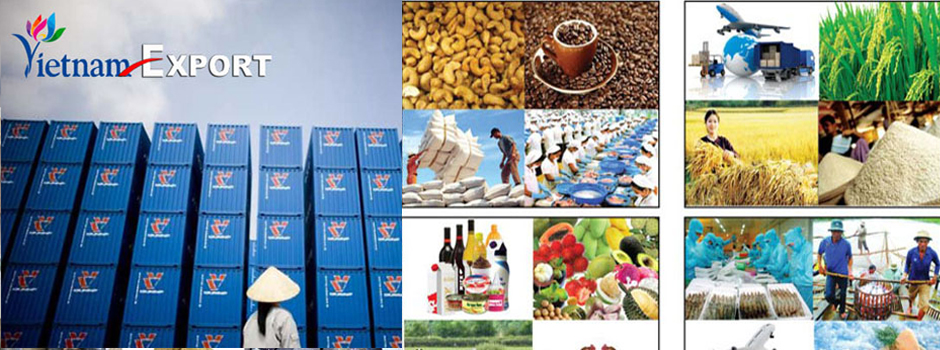
Vietnam’s agricultural products showcased at Food Africa 2025
As many as 36 Vietnamese enterprises engaged in the production, processing and export of agricultural products are taking part in a program, organized by the Investment and Trade Promotion Centre of Ho Chi Minh City (ITPC), to promote Vietnamese farm produce at Food Africa 2025, according to a report from the Vietnam News Agency.
The Food Africa 2025, taking place in in Cairo, Egypt, from December 9–12, is one of the most significant trade events for the agriculture and food industries in Africa and the Middle East. It brings together more than 1,100 exhibitors and leading companies from dozens of countries across Africa, the Middle East, Europe, Asia and the Americas. Its diverse product range and global representation make it a major platform for businesses seeking partners and strengthening cross-continental supply chains.
Ms. Ho Thi Quyen, Deputy Director of the ITPC, as quoted by the news agency, said Egypt is not only a large market but also a gateway to the Middle East and Africa, offering major opportunities for Vietnamese agricultural products to expand their exports. She noted that Vietnamese agricultural goods already enjoy a strong reputation for quality, helping enhance their international competitiveness.
Mr. Nguyen Duy Hung, Head of the Vietnam Trade Office in Egypt, said Vietnam has become a reliable supplier of many agricultural products for which Egypt has high demand. Coffee, pepper, cashew nuts, desiccated coconut and seafood are among Vietnam’s strongest export items in this market, he added.
With a population of 108 million and 17–18 million international visitors annually, Egypt is a major market for agricultural and food products. It also imports large volumes of raw materials for animal feed and food processing.
Statistics from Vietnam Customs showed that shipments of agricultural products, including seafood, fruit and vegetables, cashew nuts, coffee and pepper, to Egypt reached around $193 million in the first 11 months of 2025. However, Mr. Hung noted that some Vietnamese agricultural products, such as tea and rice, have yet to gain a foothold in Egypt due to price competition, though they remain potential items with promising opportunities.
Earlier, the Vietnamese Embassy in Egypt, in coordination with the ITPC and the Egyptian Commercial Service (ECS), held the Vietnam Business Forum in Cairo on December 7 under the theme “Trade and Investment Opportunities under the New Comprehensive Partnership”, with representatives from 36 HCM City enterprises in attendance.
Speaking at the forum, Vietnamese Ambassador to Egypt Nguyen Nam Duong said the elevation of bilateral ties to a Comprehensive Partnership demonstrates the resolve of leaders of both countries to advance economic and trade cooperation commensurate with its potential.
The Ambassador pledged continued support for the business communities of both countries through networking, dialogue and market advisory programs.
Meanwhile, Mr. Alaa El-Bially, Head of Investment Promotion at ECS, detailed Egypt’s investment-attraction policies, including tax incentives for foreign investors, and highlighted opportunities in agriculture, food processing, logistics, green energy, tourism, industrial zones, free-trade zones and transshipment hubs. He praised Vietnamese enterprises’ capabilities in agriculture, seafood, consumer goods and industrial products, that are sectors with strong demand in the Egyptian and regional markets.
VNA-Pham Long
HCM City's 2025 GRDP growth rate expected at 8%
Ho Chi Minh City’s gross regional domestic product (GRDP) is forecast to expand by approximately 8.03% in 2025, outpacing the national average and reaffirming the city’s role as a leading growth engine for the country, the Vietnam News Agency has reported.
The city’s total GRDP value for 2025 is estimated at VND2.74 quadrillion (nearly $104 billion), accounting for 23.5% of national GDP, according to the municipal People’s Committee.
GRDP per capita is projected to reach $8,066. Foreign direct investment inflows are expected to total $8.16 billion, representing a 21.1% increase year-on-year.
Trade and services continued to perform strongly, with total retail sales of goods and consumer service revenue rising by 13.5%, reflecting improved purchasing power and market confidence.
The industrial production index is estimated to grow by 9%.
VNA-Khanh Van
PM holds dialogue with farmers on promoting science and tech in agriculture
Prime Minister Pham Minh Chinh held a dialogue with farmers in Hanoi on December 10, focusing on the application of science and technology, innovation, and digital transformation in agriculture.
The event, marking the PM’s fourth dialogue with farmers in his term, was connected online to all the 34 provinces and cities nationwide.
In his remarks, PM Chinh welcomed the “soldiers on the front of agriculture”, highlighting that the dialogue aims to review the results of the four previous sessions during his term, put Resolutions 57-NQ/TW and 68-NQ/TW into practical action and, particularly, review the recent natural disasters and the steps taken to mitigate their effects.
The Government leader stressed that agriculture, farmers, and rural areas play a particularly important role as as they form a crucial pillar of the national economy over the four-decade “Doi moi” (renewal) process, contributing to political stability, social order, inflation control, and Vietnam’s escape from poverty while establishing the country’s agricultural brand in the international arena.
The PM expressed his hope that the dialogue would be frank, democratic, practical, and effective, providing clear and accurate answers to contribute to the future development of agriculture, farmers, and rural areas.
At the dialogue, prominent business leaders from major agricultural enterprises proposed numerous recommendations to advance modern, sustainable agriculture and integrate deeply into the global value chain.
Mr. Nguyen Van Minh, Deputy General Director of BAF Vietnam Agriculture Joint Stock Company, proposed that the government issue specific mechanisms and policies, such as investment priority; supporting green credit with preferential interest rates for enterprises developing high-tech and circular economy models; and tax incentives for high-tech equipment, smart machinery, environmental systems, IoT, and AI.
Mr. Vu Manh Hung, Chairman of the Board of Directors of Hung Nhon Group, emphasized the role of high-tech agriculture linked with transparency and overall value chain development. He proposed that the government continue to optimize the implementation of major resolutions of the Politburo on the development of science, technology, innovation, digital transformation, and private economic development. Additionally, more open policies and mechanisms are needed for Vietnamese enterprises to compete and stand alongside leading global agricultural corporations, thereby extending Vietnam's high-tech agriculture reach in the international market.
Mr. Do Ha Nam, Chairman of the Vietnam Food Association, proposed that the government and the Ministry of Agriculture and Environment launch stronger campaigns to open more export markets for agricultural products, especially rice.
VnEconomy-Chu Minh Khôi
Law on Personal Income Tax (amended) approved
The new law, passed by the National Assembly on December 10, will take effect on July 1, 2026.
The National Assembly, during its ongoing 10th sitting, on December 10 approved the revised Law on Personal Income Tax (PIT), scheduled to take effect from July 1, 2026.
Under the new law, the annual tax-exempt revenue threshold for a business household shall be increased to VND500 million (over $18,000) from the current VND100 million (and VND200 million proposed in earlier drafts). Accordingly, a household business earning VND500 million or less annually will not be subject to personal income tax. This means that around 2.3 million household businesses shall not be subject to revenue tax.
The amended law raises the family circumstance-based deduction to VND15.5 million (about $588) per month (from the current VND11 million) for each taxpayer, while the deduction for each dependent increases to VND6.2 million from the current VND4.4 million per month.
The law is scheduled to take effect on July 1, 2026. However, to allow people to benefit sooner from higher deductions and lower tax rates, provisions related to income from wages, salaries, and business activities will be applied earlier, from January 1, 2026.
The progressive tax schedule for income from salaries and wages has been streamlined from current seven brackets to five. The top statutory rate remains at 35 percent, but the income threshold for this top bracket is raised to monthly income above VND 100 million (up from the current VND 80 million).
vneconomy-Kỳ Phong